

ENTERTAINMENT RSS Streams
The Democratic Wins No Election Forecaster Expected
 —Tom Williams—CQ-Roll Call/Getty Images, William Hale Irwin—AP, Aaron Schwartz—Getty Images
A pediatrician, a former professor, and a minister with a shoestring campaign are among the Democrats headed to Congress after defeating Republican candidates few expected to lose.
A TIME analysis of 10 pre-election forecasts found more than a dozen House races that Democrats won that every forecaster rated either as tilting, leaning, likely, or even safe Republican or as a toss-up.
Some Democratic candidates had experience as mayors or state lawmakers, but many are political newcomers. Several won despite significantly smaller campaign spending.
Many of the races mark the first time a Democrat has been elected in years. In South Carolina, Annie Andrews will become the state’s first Democratic senator in more than two decades.
Read More: These 2026 Election-Winners Made History in Their States
Several more potential upsets remain in races that have yet to be called by the Associated Press as of early Tuesday, one week after Election Day. In Mississippi, which all 10 forecasters rated Republican, Democratic District Attorney Scott Colom leads Republican Sen. Cindy Hyde-Smith. If he wins, he would be the state’s first Democratic Senate winner since 1982 and its first Black senator since the Reconstruction era.
Colom posted on social media Monday that the “prognosticators” that had written off his and other races in traditionally deep-red parts of the country as solid Republican “made it much more difficult to fundraise and are part of the reason the South has been neglected for so long.” He added: “They’re only a reflection of the past and mysteriously avoid any accountability when they’re wrong.”
The election forecasters TIME examined—Cook Political Report, Decision Desk HQ, FiftyPlusOne, Fox News Power Rankings, Inside Elections, Race to the WH, Sabato’s Crystal Ball, Silver Bulletin’s FLIPR Deluxe model, Split Ticket, and The Economist—largely saw the blue wave coming. But none foresaw just how big it would be.
Here are the races they got wrong in the 2026 midterm elections.
Indiana’s 5th district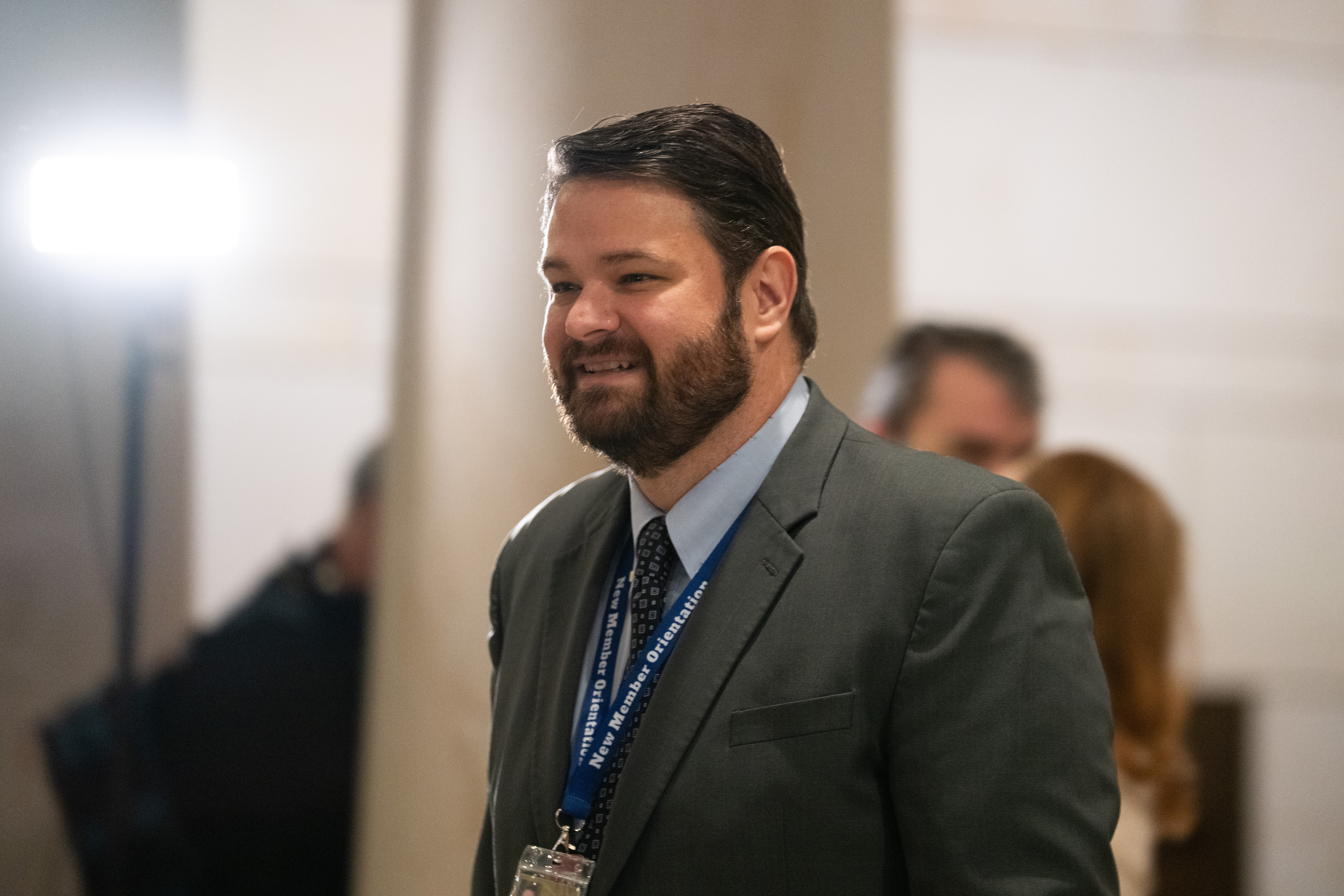 Rep.-elect J.D. Ford (D, Ind.) arrives for the first day of new member orientation at the Capitol in Washington, D.C., on Nov. 9, 2026. —Allison Robbert—AP
J.D. Ford, a Democratic state senator in Indiana, will become Indiana’s first openly gay member of Congress. He defeated Republican three-term Rep. Victoria Spartz in a district that President Donald Trump carried by 17 points in the 2024 presidential election. Not a single forecaster rated the race even as a toss-up.
Ford is the first Democrat elected to the district since Jim Jontz in 1990, although its boundaries have changed substantially since then. Ford raised nearly $800,000 less than his opponent, according to campaign disclosures through Oct. 14, although outside spending favored Ford. Around $4.2 million was spent to support him or attack Spartz, as compared to $1.3 million to support Spartz or attack Ford, according to Federal Election Commission filings through Nov. 6.
Missouri’s 2nd district Rep.-elect Fred Wellman (D, Mo.) speaks to the media in Washington on Nov. 8, 2026. —Aaron Schwartz—Getty Images
Fred Wellman has become the first Democrat elected in Missouri’s 2nd congressional district since Joan Kelly Horn in 1990. The podcaster and Army veteran defeated seven-term incumbent Ann Wagner, a Republican, by more than 16,000 votes. Wellman was a first-time candidate.
Inside Elections rated the race Solid Republican, while six other forecasters rated it tilt, lean, or likely Republican. Wellman’s campaign spent $1.9 million through Oct. 14, while Wagner’s spent $5.7 million—almost three times as much. General election outside spending also favored Wagner, with $980,000 spent to support her or attack Wellman, while $387,000 was spent to support Wellman or attack Wagner.
North Carolina’s 6th district Rep.-elect Cyril Jefferson (D, N.C.) walks through the Capitol basement during new member orientation on Nov. 9, 2026. —Allison Robbert—AP
Cyril Jefferson, the youngest elected mayor of High Point and the city’s second Black mayor, beat incumbent Addison McDowell. McDowell had won in 2024 without a Democratic nominee on the ballot after redistricting prompted Democrat Kathy Manning to retire.
Jefferson’s campaign spent around $224,000 through mid-October, compared to McDowell’s campaign spending of $1.3 million—more than five times as much. Outside spending in support of Jefferson totalled just $211.
Jefferson told Axios that national groups repeatedly dismissed the district as “nowhere on our radar.” Of the 10 forecasters TIME analyzed, seven rated the race as safe or solid Republican, while the other three rated it as likely Republican—the strongest rating short of safe or solid. The Democratic Congressional Campaign Committee (DCCC) didn’t even name the race as one of its “Districts in Play.”
North Carolina’s 9th district Rep.-elect Richard Ojeda (D, N.C.) speaks to the media in Washington on Nov. 8, 2026. —Aaron Schwartz—Getty Images
Richard Ojeda II beat incumbent Richard Hudson, chairman of the National Republican Congressional Committee, which is responsible for electing House Republicans. Ojeda is a former West Virginia state senator and an Army veteran who served for 24 years, including 15 at Fort Bragg. He previously unsuccessfully ran for U.S. Congress in West Virginia and mounted a short-lived 2020 presidential campaign.
Ojeda’s campaign reported spending $2.9 million, compared with Hudson’s $3.9 million, although outside groups spent more than $390,000 supporting Ojeda or opposing Hudson, compared with just $6,000 spent for Hudson.
Hudson is serving his seventh term in Congress since 2013. Fox News rated the race as Solid Republican, while the other nine forecasters all rated it as likely Republican.
North Carolina’s 13th district Rep-elect Paul Barringer, then the Democratic nominee for North Carolina’s 13th congressional district, smiles during an interview in Garner, N.C., on Oct. 8, 2026. —Matt Ramey—AP Photo
Paul Barringer, a lawyer, healthcare consultant, and tree farmer, defeated Republican first-term incumbent Brad Knott. Barringer has not previously held elected office. A former Republican, he switched parties before running, and his campaign emphasized cooperation across party lines.
Barringer’s campaign spent around $800,000—about a quarter less than Knott’s $1.1 million. FEC data compiled as of Nov. 6 showed no reported outside spending for or against either candidate.
The district last elected a Democrat in 2022, when Wiley Nickel won. Republican legislators subsequently redrew the district boundaries to remove Democratic voters around Raleigh and include Republican rural areas. Nickel declined to seek re-election in 2024. All 10 forecasters TIME analyzed rated the 2026 race as likely Republican.
Read More: Republicans Went All In on Redistricting Ahead of the Midterms. Why Did It Fail?
North Carolina’s 14th district Rep.-elect LaKesha Womack (D, N.C.) speaks to reporters in Washington on Nov. 8, 2026. —Tom Williams—CQ-Roll Call/Getty Images
LaKesha Womack, a political newcomer, beat Republican first-term incumbent Tim Moore. Womack had among the smallest campaign spending at $55,600, compared to Moore’s $1.9 million. She also received almost no outside financial support, with reported general election spending in support of her totalling just $122. By comparison, outside groups spent $183,000 for Moore. Meanwhile, Republicans spent more than $1 million on media advertising in the race, according to AdImpact data cited by the Times, while Democrats spent nothing.
Moore was North Carolina’s longest-serving state House speaker before entering Congress. He helped shape the 2023 Republican redistricting plan, and not even the DCCC considered the 2026 race as “in play.” Five election forecasters rated the 2026 race as safe or solid Republican while the other five rated it as likely Republican.
Womack, a minister and business consultant, spoke during her campaign about becoming unhoused after a medical emergency left her in intensive care. Her platform prioritized health care and housing affordability.
New Jersey’s 2nd district Rep.-elect Zack Mullock (D, N.J.) speaks to the media in Washington on Nov. 8, 2026. —Aaron Schwartz—Getty Images
Cape May Mayor Zack Mullock defeated four-term Rep. Jeff Van Drew in a district where Trump won by 13 points in the 2024 presidential election. Van Drew originally won the seat as a Democrat in 2018, but switched parties in 2019 during Trump’s first impeachment.
Mullock told the New York Times that he never expected to win but nevertheless ran out of a desire to challenge the Trump Administration. Split Ticket rated the race as Safe Republican, while all nine other forecasters rated it lean or likely Republican.
Mullock’s campaign spent $856,000 through Oct. 14, while Van Drew’s campaign spent $2.3 million. Mullock’s campaign never received financial support from the DCCC, the Times reported, even though the race was on its “Districts in Play” fundraising targets list. Mullock nevertheless benefitted from heavy independent spending against Van Drew. Outside groups spent $1.9 million for Mullock or against Van Drew, compared to $601,000 for Van Drew.
Nevada’s 2nd district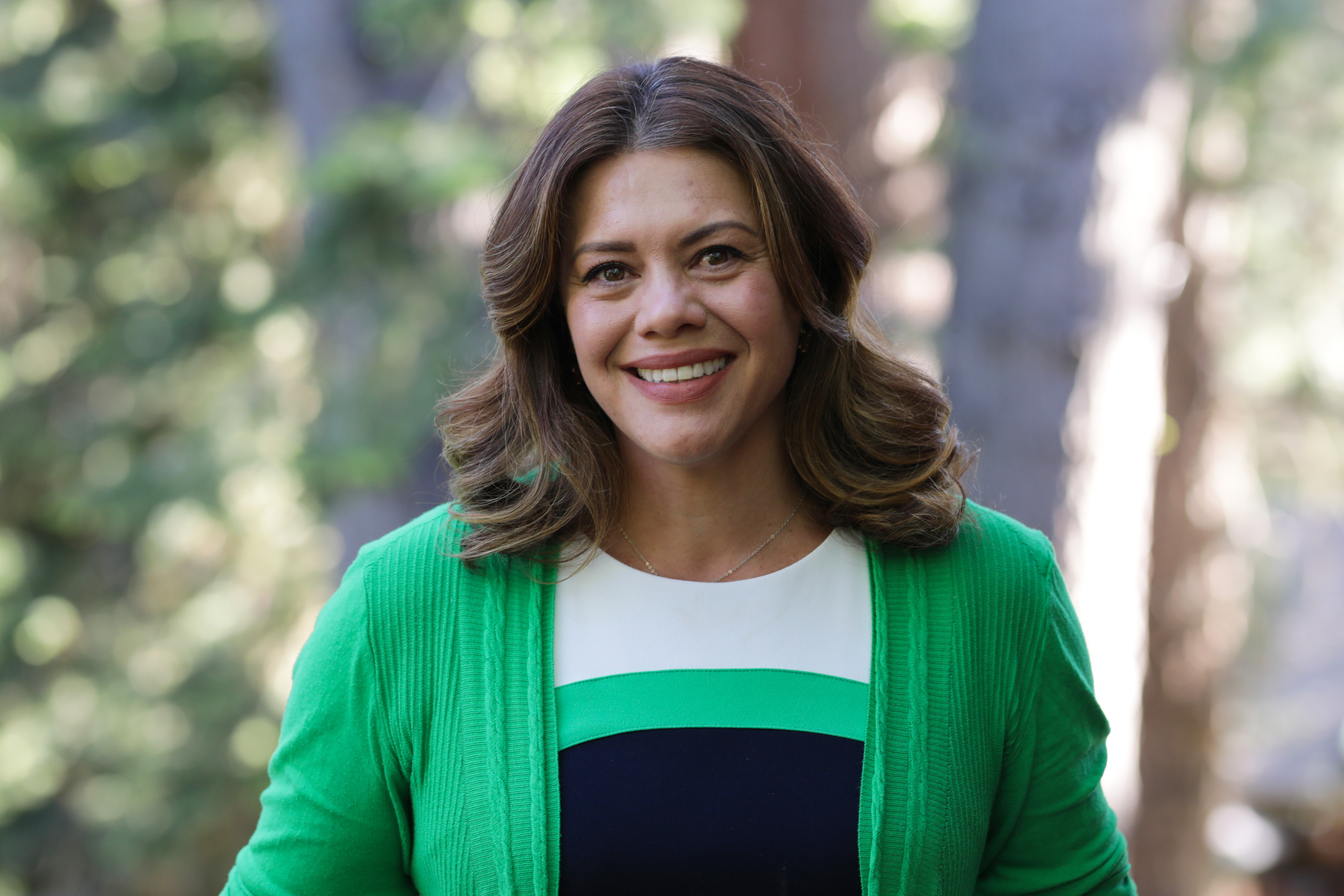 Rep.-elect Teresa Benitez-Thompson, then a Democratic candidate in Nevada’s 2nd congressional district, poses during a campaign event in Incline Village, Nev., on June 11, 2026. —William Hale Irwin—AP
Teresa Benitez-Thompson became the first Democrat ever elected to Nevada’s 2nd congressional district, winning a race that not a single forecaster TIME analyzed had rated as even a toss-up, though Republican retiring Rep. Mark Amodei, who had won the district by 19 points in 2024, had said the seat was “at risk” due to the Trump-endorsed GOP nominee seeking to replace him.
Benitez-Thompson, a former Nevada Assembly majority leader and social worker, defeated Republican David Flippo, a small business owner whom Amodei refused to endorse over controversies related to Flippo’s military record as well as personal and campaign finances.
Benitez-Thompson’s campaign spent around $873,000, compared with Flippo’s $2.8 million. The race attracted $6.5 million of general election outside spending—the most that district has ever seen, according to the Nevada Independent—$2.5 million of which supported Benitez-Thompson or attacked Flippo.
Ohio’s 10th district Rep.-elect Kristina Knickerbocker, then the Democratic candidate for Ohio’s 10th congressional district, conducts a roundtable on childcare costs in Dayton, Ohio, on Oct. 21, 2026. —Tom Williams—CQ-Roll Call/Getty Images
Kristina Knickerbocker narrowly defeated 12-term incumbent Mike Turner, flipping the district blue. Only FiftyPlusOne had rated the race as a toss-up, while nine other forecasters rated it as lean or likely Republican.
Turner spent about $538,000 more on his campaign than Knickerbocker, an Air Force veteran and nurse practitioner who has not previously held elected office. But independent spending favored the Democrat, with outside groups spending around $7.7 million, including $4.6 million from House Majority PAC, on helping Knickerbocker defeat Turner. Outside groups spent $4.5 million for Turner or against Knickerbocker.
The last Democrat elected to the district was Dennis Kucinich in 2010, before the district was redrawn from the Cleveland area to the Dayton area.
Ohio’s 15th district Rep.-elect Don Leonard, then the Democratic candidate for Ohio’s 15th congressional district, talks with voters in Circleville, Ohio, on Oct. 23, 2026. —Tom Williams—CQ-Roll Call/Getty Images
Don Leonard beat three-term incumbent Mike Carey in a race that, like Ohio’s 10th district, only FiftyPlusOne had rated as a toss-up, while the other forecasters rated it as lean or likely Republican. The district last elected a Democrat in 2008, when Mary Jo Kilroy won under different boundaries.
Leonard, a former college professor at Ohio State, was a first-time candidate who defeated the Democrats’ 2024 nominee, Adam Miller, in the primary. Leonard’s campaign spent around $1.2 million through Oct. 14, compared with Carey’s $4 million. House Majority PAC spent another $2.5 million against Carey, contributing to a total of $6.5 million of outside spending on Leonard’s side. Outside groups spent $5.1 million on Carey’s side.
South Carolina’s 1st district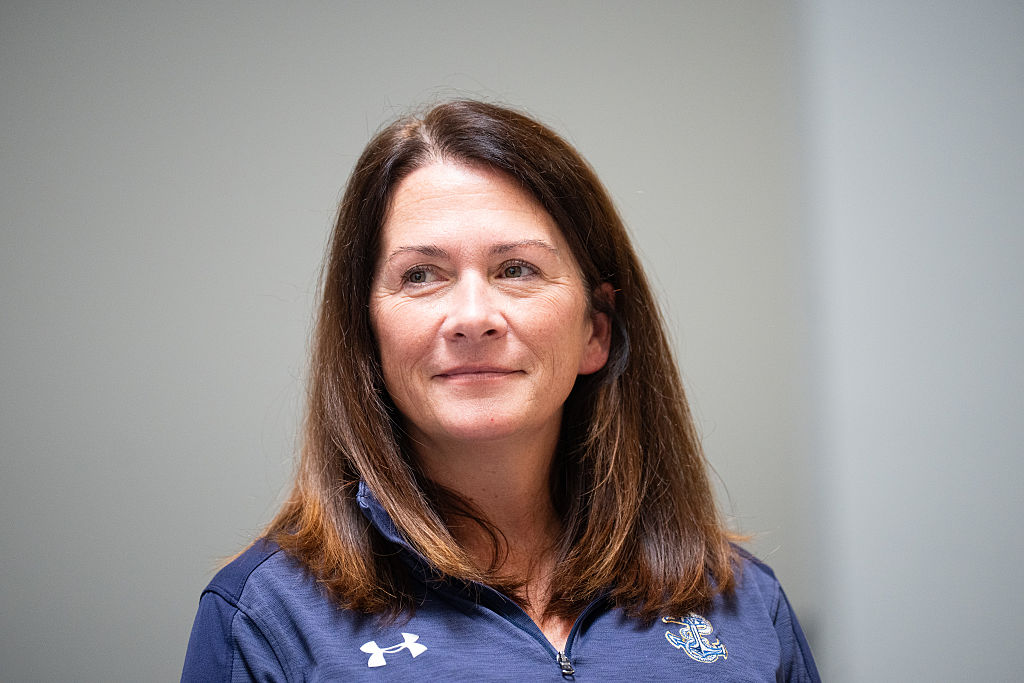 Rep.-elect Nancy Lacore, then the Democratic candidate for South Carolina’s 1st congressional district, speaks to campaign staff and volunteers during a canvassing kickoff at her camapign headquarters in Mt. Pleasant, S.C., on Sept. 26, 2026. —Bill Clark—CQ-Roll Call/Getty Images
Nancy Lacore, a retired Navy vice admiral who was dismissed by Defense Secretary Pete Hegseth in 2025 and has not previously held elected office, defeated Republican Jenny Costa Honeycutt in the open race to represent South Carolina’s 1st district.
Democrat Joe Cunningham previously flipped the seat in 2018, then lost to Republican Nancy Mace in 2020. Mace did not pursue reelection this year to pursue an unsuccessful run for governor.
Lacore’s campaign spent around $4.7 million against Honeycutt’s $984,000, although Honeycutt benefitted from $7.5 million in outside spending, compared to $3.7 million for Lacore.
Cook Political Report and Race to the WH rated the race as a toss-up, while eight other forecasters rated it as tilt, lean, or likely Republican.
Texas’s 9th district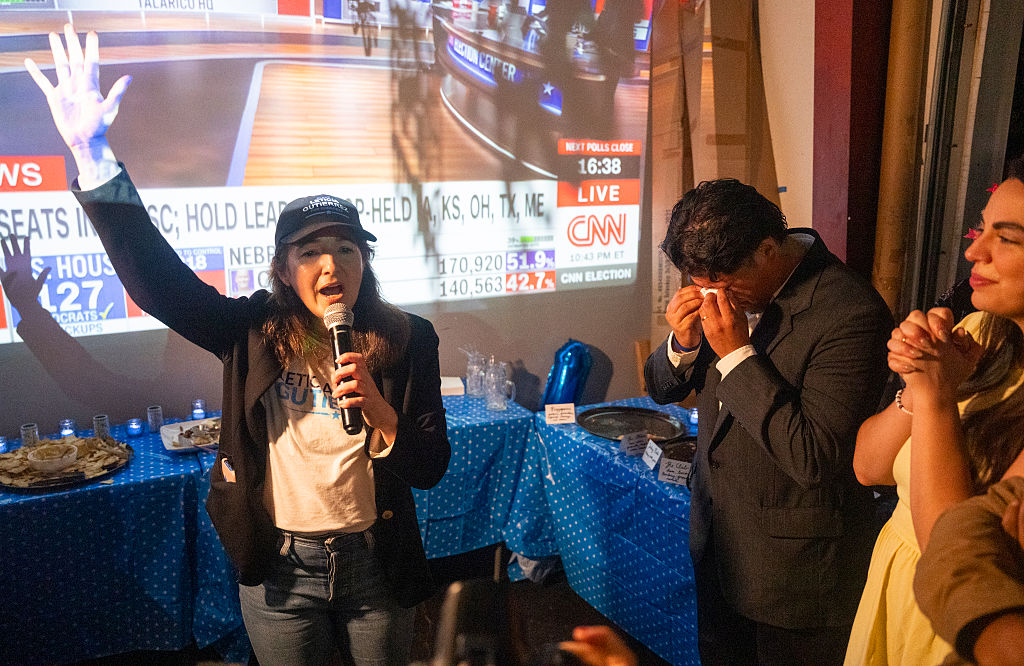 Rep.-elect Leticia Gutierrez (D, Texas) speaks at an Election Night rally in Baytown, Texas, on Nov. 3, 2026. —Jason Fochtman—Houston Chronicle/Getty Images
Leticia Gutierrez, a former Houston government aide and environmental advocate, beat Republican small business owner and veteran Alex Mealer in a district that the GOP redrew last year. The redrawn boundaries transformed a Democratic-held district into an area that Trump had carried in 2024 by nearly 20 points. Still, Gutierrez won by 15.1 points despite her campaign spending considerably less—$104,000 in total—than Mealer’s $2.6 million. She was supported by an additional $268,000 in outside spending, compared with $3.1 million on Mealer’s side.
Gutierrez, a first-time candidate, told the AP that Democrats and donors considered her district a lost cause. Not a single forecaster that TIME analyzed rated the race even as a toss-up.
Gutierrez’s surprise victory retains the Democratic hold on the district. Democrat Al Green had represented the district since 2005 and won unopposed in 2024, but the redistricting moved him into a different congressional contest, in which he lost the Democratic primary.
Gutierrez’s win comes amid a broader blue wave in Texas and marks one of the largest Democratic shifts across the country, shifting the district around 35 percentage points toward Democrats compared with the 2024 presidential election.
Read More: Are Democrats’ Stunning Midterm Upsets in Deep-Red States a Blip—or Is Their Map Expanding?
Texas’s 23rd district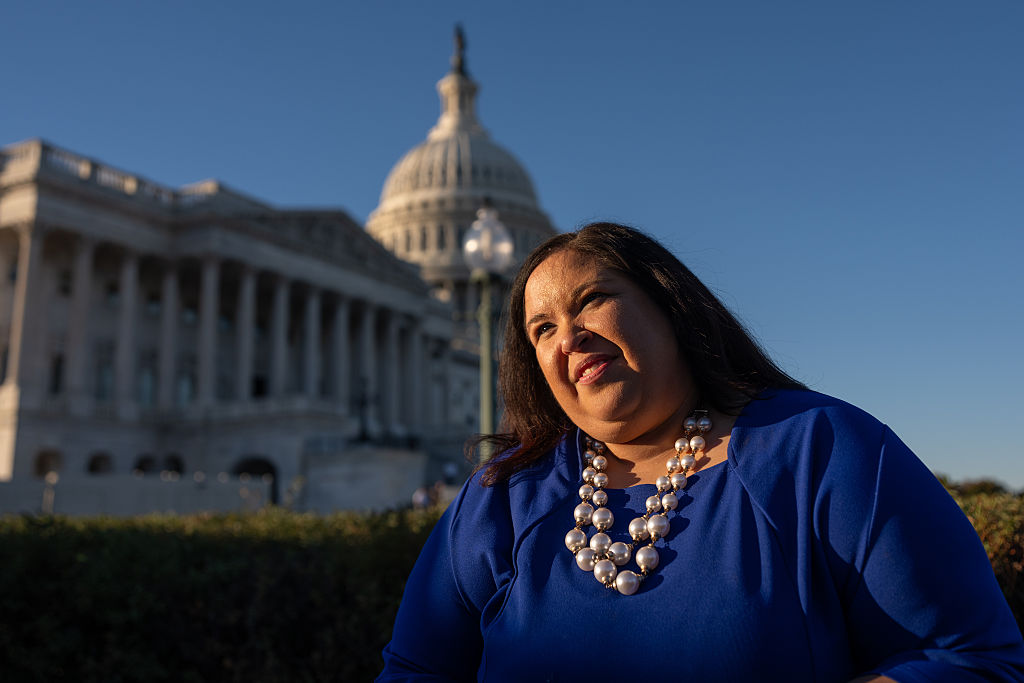 Rep.-elect Katy Padilla Stout (D, Texas) gives remarks to the media outside the Capitol in Washington, D.C., on Nov. 8, 2026. —Aaron Schwartz—Getty Images
Katy Padilla Stout, an attorney and former teacher who has not held elected office before, defeated Republican gun rights activist Brandon Herrera for the seat previously held by Republican Tony Gonzales, who dropped his re-election bid and later resigned from Congress amid an ethics investigation regarding a sexual affair with a former staffer.
Three election forecasters rated the race as a toss-up while seven rated it as lean or likely Republican. Padilla Stout, who is the district’s first Democratic winner since Pete Gallego in 2012, spent roughly $973,000 on her campaign, compared to Herrera’s $2.8 million, though she was helped by outside groups spending around $4.8 million for her or against Herrera. Outside groups spent $3.1 million on Herrera’s side.
South Carolina Senate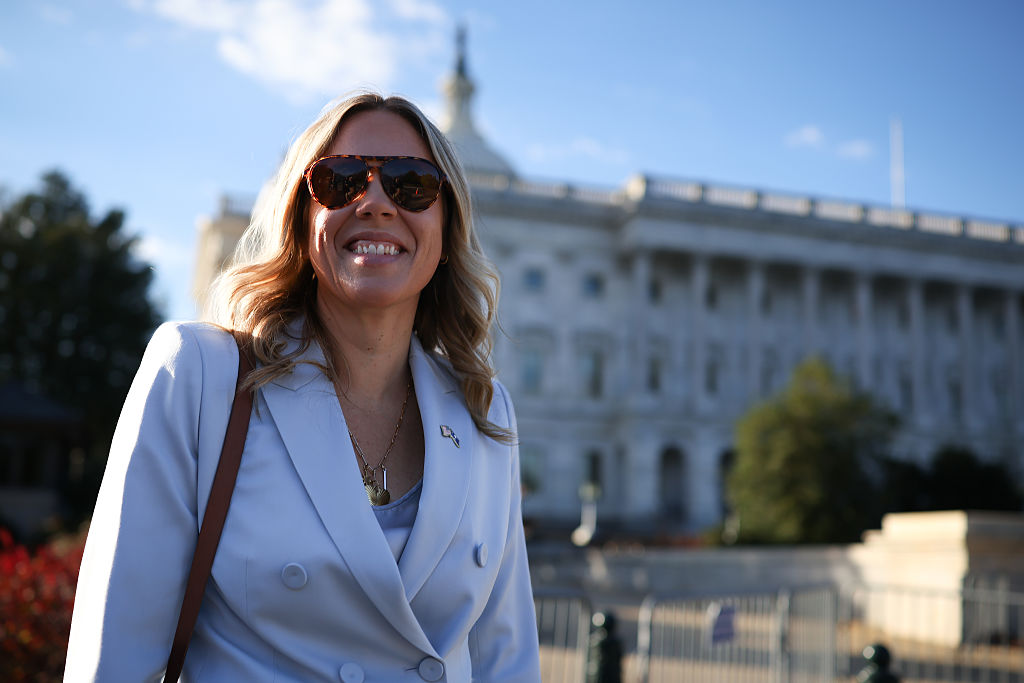 Sen.-elect Annie Andrews (D, S.C.) arrives at the Capitol for new member orientation on Nov. 9, 2026. —Win McNamee—Getty Images
Annie Andrews became the first woman elected to the Senate from South Carolina and the first Democrat elected to the Senate from the state since Fritz Hollings in 1998. Andrews beat Republican incumbent Darline Graham, who had been appointed after the death of her brother, longtime Republican Sen. Lindsey Graham, in July.
Andrews, a pediatrician who had never held elected office and ran unsuccessfully for the House in 2022, was helped by heavy campaign spending—$22.5 million against Graham’s $1.28 million. Nevertheless, her victory was surprising. Of the eight 2026 U.S. Senate races that at least one forecaster had rated a toss-up, it was the only one where not a single forecaster had rated the race as tilting, leaning, or likely Democrat. (Democrats won all of those races, except for Alaska, which remains uncalled.) Seven rated the South Carolina race as tilt, lean, or likely Republican, while three rated it a toss-up.
Categories: ENTERTAINMENT RSS Streams
What Making a Film About Iran Taught Me About Power
 Young Iranian women walk together along a sidewalk in downtown Tehran, Iran, on April 23, 2026. —Morteza Nikoubazl-Nur Photo-Getty Images
More than a decade ago, in Tehran, Tahereh Noori, a 35-year-old housewife, and her two teenage daughters killed her husband. They buried his body beneath the living room floor, under the coffee table. Tahereh had endured years of abuse, and all her attempts to obtain a divorce through Iran’s family courts had failed. The violence had become part of her children’s lives as well as her own. She felt there was no other way out.
When I first heard her story, I could not stop thinking about the distance between asking for a divorce and burying a husband beneath the floor. What had happened in those years? How had killing him come to seem like her only escape?
By the time my co-director, Farzad Jafari, and I began making An Eye for an Eye, a film about Taherah, she had spent 14 years in prison under the threat of execution. Under Iran’s system of qisas, her husband’s family could seek her execution or forgive her in exchange for diya, or blood money. Her temporary release on bail gave her a chance to participate in negotiations over her fate. Her children, now adults, were trying to raise the money that might save their mother’s life.
I had expected to make a film primarily about Tahereh and the tragic drama of her life: the violence she had endured, the legal system that had trapped her, and the possibility that she might be executed. Instead, making the film transformed my understanding of the strength of Iranian civil society.
Iranian lessonsDuring our research, we met activists who had devoted their time and attention to helping people facing the death penalty. This was how I got to know Farkhondeh Jabarzadegan, an anti-execution activist, and the women who volunteered alongside her. They were lawyers, social workers, activists, and ordinary citizens who had learned to navigate a legal system that families often struggled to contend with on their own. They did not work through a single organization or follow a formal plan. Much of their work was unpaid. Sometimes they simply knew whom to call.
At first, I thought of this as a practical response to a broken system. But the longer I watched, the clearer it became that I was seeing something more consequential. These women had built a kind of informal infrastructure of care. They knew which doors might open. They knew how to approach a grieving family. They knew when to argue and when to listen. They understood that telling grieving relatives they were wrong to stay angry would do little to persuade them to forgive a person who had killed someone they loved.
These women activists spent hours sitting with Tahereh’s husband’s relatives, asking them to reconsider. They would listen to anger without dismissing it. When the conversation turned to money, they tried to bring the amount of blood money demanded within reach of Tahereh’s family. Watching them, I became aware of how much skill it took to sustain what might look from the outside like an ordinary conversation. They were negotiating the terms of forgiveness with a family whose decision was bound up with grief, anger, faith, and money, and could determine whether Tahereh lived or died. And they were doing it without the power to compel anyone.
They also had to listen to Tahereh herself. After 14 years in prison, she was understandably angry and felt she had been punished enough. Her children were desperate to prevent her execution, whatever it took. Tahereh did not always agree with the people trying to help her. She often resisted their advice or became frustrated with the process. They were not helping an idealized or even always grateful victim. The volunteers kept working with her, responding to a complicated person in an impossible situation.
Navigating TehranIn making this film, I expected to encounter the many restrictions that Iranian society and its religious legal system imposed on women. I expected to see how the law oppressed and failed them. What surprised me was how much influence women had learned to exercise within those constraints. That influence was rarely dramatic. Often it took the form of quiet persistence, whether that meant making another phone call, finding another intermediary, or sitting down with someone who had already said no.
Their work made me think differently about what civil society means in a country where formal institutions may not provide people with the protections they need. We often think of civil society in terms of organizations, institutions, and public movements. But it can also take less visible forms. It can grow out of knowledge passed from one person to another, relationships built over years, and a willingness to intervene in the life of someone who is neither a friend nor a relative. The women I met had developed precisely this kind of network.
Their work also challenged an assumption I had held about what it means to live under a restrictive system. It is easy, particularly from outside Iran, to imagine people living under such systems primarily as powerless. But power does not disappear simply because the state is powerful. Power moves into other places. People living under authoritarian governments can still exercise power and influence through relationships, knowledge, social networks, and persuasion.
The women helping Tahereh could not rewrite the law. They could not compel her husband’s family to forgive her. They could not undo the violence that had already taken place. But they could open up possibilities within a system that seemed to leave very few. And that changed the way I thought about Iran. Through Tahereh’s story, I learned that Iran is not simply a society oppressed by its laws. Iran is also a society full of people who had become extraordinarily adept at navigating the country’s legal and political system.
The ingenuity these Iranian activists had developed was itself, in part, a consequence of the failures of the institutions around them. I wish they did not have to spend their time persuading families to spare families facing executions. Their efforts cannot substitute for laws that protect women from violence or for a justice system that treats them fairly. But their work reveals something that is easy to miss when all we see of Iran is its government: the persistence of a socially and culturally engaged population that has not surrendered its capacity to act.
Tahereh’s story began with a failure of institutions. A woman tried to leave an abusive marriage and could not. The violence escalated. Eventually, she and her daughters killed the abuser they believed they could not escape. But the story did not end there. Around Tahereh were people who refused to accept that her fate was predetermined. They could not erase the killing. They could not make the system fair. They could not guarantee forgiveness. They could intervene and they did.
Categories: ENTERTAINMENT RSS Streams
Upcoming meeting could determine if US loses its measles elimination status - ABC News - Breaking News, Latest News and Videos
- Upcoming meeting could determine if US loses its measles elimination status ABC News - Breaking News, Latest News and Videos
- In America’s measles epidemic, RFK Jr. is now on trial Politico
- Measles cases continue to rise across Ohio as experts urge vaccination NBC4 WCMH-TV
- Measles Forges a Deadly Trail Across America, Exposing Fractured Health System Bloomberg.com
- U.S. measles-free status threatened as Valley cases increase WFMJ
Categories: ENTERTAINMENT RSS Streams
The Biggest Loser on Election Day: Stephen Miller - Slate Magazine
- The Biggest Loser on Election Day: Stephen Miller Slate Magazine
- Opinion | Trump Has Found His New Roy Cohn in Stephen Miller The New York Times
- Stephen Miller's promotion could mean more friction for Minnesota Axios
- Kaitlan Collins Exposes Secret Panic Inside the White House Over Pete Hegseth The Daily Beast
- It’s Stephen Miller’s First Day as Wannabe Mob Boss Mother Jones
Categories: ENTERTAINMENT RSS Streams
US-mediated talks on ending the war between Russia and Ukraine begin in Abu Dhabi - AP News
- US-mediated talks on ending the war between Russia and Ukraine begin in Abu Dhabi AP News
- Europeans will join Ukraine talks in Abu Dhabi, French minister says Reuters
- U.S.-mediated talks on ending Russia-Ukraine war begin in Abu Dhabi NPR
- Ukraine peace talks resume in Abu Dhabi after months-long pause BBC
- Ukraine war briefing: battlefield gains bolstering Kyiv’s hand in US-led peace talks, Zelenskyy says The Guardian
Categories: ENTERTAINMENT RSS Streams
A potential nor’easter could bring rain, snow by later this week - The Weather Channel
- A potential nor’easter could bring rain, snow by later this week The Weather Channel
- First snow, coldest air in months headed for eastern US in wake of storm CNN
- How much snow could New York get this week? What the latest forecast shows Democrat and Chronicle
- Potential for nor'easter increasing, could bring first snow to millions as cold air sweeps across the East FOX Weather
- All eyes on potential late-week coastal storm — here's what we know right now NBC Boston
Categories: ENTERTAINMENT RSS Streams
GTA 6's PlayStation Store Data Hints at Multiplayer Support - TechPowerUp
- GTA 6's PlayStation Store Data Hints at Multiplayer Support TechPowerUp
- How to play 'GTA 6' a day before everyone else in the U.S. Mashable
- Xfinity Gives Gamers a Free 15-Day WiFi Speed Boost for the Highly Anticipated Grand Theft Auto VI Launch Comcast Corporation
- Download Grand Theft Auto VI Faster and Get to Leonida Sooner With Spectrum Internet Gig Charter Communications
- ‘GTA 6 Online’ Info Found In Pre-Loaded ‘GTA 6’ Files And Backend Forbes
Categories: ENTERTAINMENT RSS Streams
Why the California Coast Has So Many Dead Birds - The New York Times
Why the California Coast Has So Many Dead Birds The New York Times
Categories: ENTERTAINMENT RSS Streams
You May All Go to Hell, and Tommy Lee Jones Will Go to Texas - The New York Times
You May All Go to Hell, and Tommy Lee Jones Will Go to Texas The New York Times
Categories: ENTERTAINMENT RSS Streams
House Republicans to elect a new leader as they look to rebuild from midterm defeat - NPR
- House Republicans to elect a new leader as they look to rebuild from midterm defeat NPR
- House Republicans could be about to clean their own house Politico
- Jordan and Scalise face off for House GOP leader after midterms defeat ABC News - Breaking News, Latest News and Videos
- Republicans, reeling from an election drubbing, will choose their leadership in Congress NBC News
- Scalise or Jordan? House Republicans to decide between continuity and confrontation MS NOW
Categories: ENTERTAINMENT RSS Streams
A Brain Teaser of an Obituary - The New York Times
A Brain Teaser of an Obituary The New York Times
Categories: ENTERTAINMENT RSS Streams
Republicans, reeling from an election drubbing, will choose their leadership in Congress - NBC News
- Republicans, reeling from an election drubbing, will choose their leadership in Congress NBC News
- House Republicans could be about to clean their own house Politico
- House Republicans to elect a new leader as they look to rebuild from midterm defeat NPR
- House Republicans are choosing their next leader as they prepare to be in the minority Pioneer Press
- House Republicans face leadership reckoning after midterm bloodbath The Hill
Categories: ENTERTAINMENT RSS Streams
'You didn't even tell your best friend'. The complications from childbirth that never go away - BBC
Categories: ENTERTAINMENT RSS Streams
How word of mouth is helping an Amish community's fight against measles - NPR
- How word of mouth is helping an Amish community's fight against measles NPR
- Health officials confirm case of measles in Bucks County, Pennsylvania 6abc Philadelphia
- Measles outbreak hits Bucks County, as Pennsylvania tops 1,500 cases PhillyBurbs
- Pennsylvania reports another measles-related death, the 2nd in Jefferson County CIDRAP
- Pennsylvania tops 1,500 measles cases as the U.S. could lose its measles elimination status this week Inquirer.com
Categories: ENTERTAINMENT RSS Streams
Russell Brand sentenced to 10 years, 6 months in prison for rape and sexual assault - CBS News
- Russell Brand sentenced to 10 years, 6 months in prison for rape and sexual assault CBS News
- Russell Brand Sentenced to 10 and a Half Years in Prison for Rape The New York Times
- Russell Brand sentenced after rape, sexual assault convictions in UK Fox News
- Russell Brand latest: Fresh allegations against disgraced comedian as ex-partner accuses him of 'violence and abuse' Sky News
- Megyn Kelly, Elon Musk decry Russell Brand conviction and sentence New York Daily News
Categories: ENTERTAINMENT RSS Streams
House Republicans could be about to clean their own house - Politico
- House Republicans could be about to clean their own house Politico
- GOP senator withholds support for Thune as leadership showdown looms Fox News
- Ron Johnson threatens walkout of Senate GOP leadership election The Hill
- Congress live updates as House and Senate Republicans hold leadership elections after midterms losses CBS News
- Thune and Schumer face questions about Senate leadership in aftermath of elections AP News
Categories: ENTERTAINMENT RSS Streams
Blockbuster: Jags acquire Jordan Davis from Eagles - NBC Sports
- Blockbuster: Jags acquire Jordan Davis from Eagles NBC Sports
- Jaguars acquire Eagles DT Jordan Davis in blockbuster trade ESPN
- O-Zone: Ultimate Goal Jacksonville Jaguars
- Jordan Davis is "a little disappointed" to be traded by Eagles NBC Sports
- Eagles Urged to Target 2 Positions in 2027 Draft After Seismic Jordan Davis Trade Yahoo Sports
Categories: ENTERTAINMENT RSS Streams
'Baffling but brilliant' post-apocalyptic novel The End of Everything wins Booker Prize
M John Harrison becomes the oldest ever winner of the prestigious literary award at the age of 81.
Categories: ENTERTAINMENT RSS Streams
Russia, Ukraine and US to meet as Zelenskyy claims battlefield successes - Al Jazeera
- Russia, Ukraine and US to meet as Zelenskyy claims battlefield successes Al Jazeera
- Europeans will join Ukraine talks in Abu Dhabi, French minister says Reuters
- U.S., Russia and Ukraine begin talks in Abu Dhabi aimed at ending war in Ukraine CBS News
- Ukraine peace talks to restart after 9 months. What makes them different this time? CNN
- US asks Russia to agree to NATO-like backing for Ukraine Politico
Categories: ENTERTAINMENT RSS Streams
DR Congo conflict: At least 66 Congolese soldiers sentenced to death for cowardice - BBC
- DR Congo conflict: At least 66 Congolese soldiers sentenced to death for cowardice BBC
- Congo sentences 66 soldiers to death for cowardice and mutiny after they allegedly fled fighting with rebels CBS News
- DR Congo sentences 66 soldiers to death for fleeing rebel fighting Africanews
- DR Congo: 66 soldiers sentenced to death for cowardice in conflict with FRN rebels Deutsche Welle
- Kotu ta yanke wa sojoji 66 hukuncin kisa a Kongo Aminiya
Categories: ENTERTAINMENT RSS Streams