

LIFE Magazine

Breaking news and analysis from TIME.com. Politics, world news, photos, video, tech reviews, health, science and entertainment news.
URL: https://time.com/
Updated: 24 sec ago
How Democrats Can Win Florida in 2028
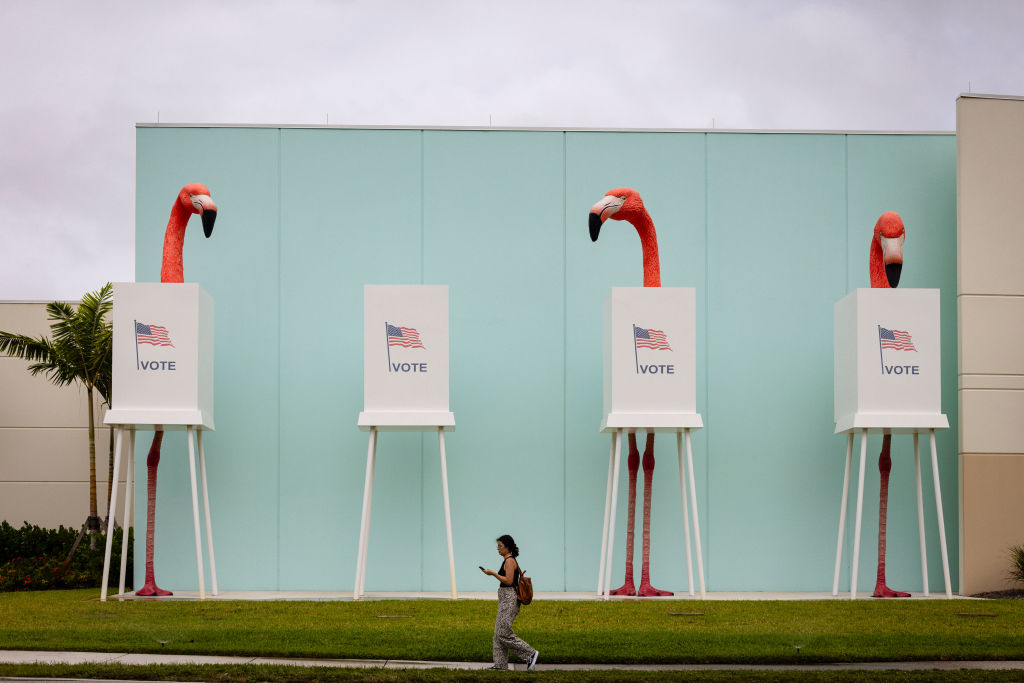 —Eva Marie Uzcategui—Bloomberg via Getty Images
On Tuesday, Democrats flipped traditionally Republican states in places many considered out of reach. As I watched the returns come in from my apartment in Brooklyn, I wondered whether Florida, my home state, would also turn blue.
In the end, Republicans won most of Florida’s major statewide races––one of the few losses Democrats suffered. On the surface, the sea change that swept through the country appeared to have missed Florida. But Democratic candidates here didn’t lose by much, and that distinction paints a more complicated picture of Florida’s electorate.
The results challenge the assumptions about the political limits of progressives in the state. With 2028 approaching, Democrats need to start building a new movement in Florida now.
The results were very closeOn election night, Alfred Soto, an associate teaching professor of communications at Florida International University, was momentarily buoyed as he watched the vote count with friends in Miami. For years, Soto mobilized voters as part of the Cuban American Democrats, before the organization disbanded earlier this year. “As I saw those early returns, I thought, can we do this? Is this possible?”
Early returns showed Democrat David Jolly, the candidate for governor, leading Republican Byron Donalds, and Angie Nixon, the Democratic nominee for U.S. Senate, appeared to be locked in a tight race. In Miami-Dade County, where I grew up, it looked as though the Republican Rep. María Elvira Salazar could lose her House seat. And Republican Rep. Mario Díaz-Balart’s race initially looked reassuring, but later reporting revealed a much more competitive contest.
Jolly came within roughly 1 point of winning the governor’s race, while Nixon came within roughly 3 points of flipping a U.S. Senate seat. Every county in Florida, except one, moved blue—in some cases, by double digits.
Miami-Dade County had the highest voter turnout in a midterm election in more than two decades, and the country flipped blue after voting Republican in 2022.
As I write this, Salazar’s race has entered a recount and though Díaz-Balart has claimed victory, that race remains too close to call. It is a stunning turn of events when you consider that they are two longtime Republican incumbents running in heavily Hispanic districts.
Nixon’s performance was particularly notable given the circumstances of her campaign. She was outspent by Republican-aligned outside groups, running in a state Trump carried comfortably in 2024.
Many Cubans, who make up the largest share of voters in the city, cringe at the mere mention of socialism. And yet, Nixon made huge headway campaigning on an agenda that included Medicare for All, universal childcare, and other democratic socialist priorities.
“It left me more energized than ever,” Soto said. “I thought, okay, maybe Florida now is where Texas was in 2018, 2020.”
Latinos in Florida are feeling the impacts of Trump’s policiesMany Florida families have been battered by the Trump administration’s immigration policies. Haitians in South Florida who lost Temporary Protected Status have lost their jobs and are afraid to step outside. In Doral, where there is a strong Venezuelan community, some businesses have shuttered, and local officials are facing pressure over the city’s cooperation agreement with ICE.
It’s true that Cubans and other Latinos in Miami supported Trump’s deportation policies and have stood by the Republican Party. But some have come to regret that support, and in part this election’s results bear that out.
And it’s not just immigration. South Florida is now considered one of the most expensive places in the country.
Groceries are where Elisa Douglass, a jewelry-maker in Miami, feels it most. Her family used to spend about $150 a week on groceries. Now she shops at two or three different stores depending on what is on sale, and the bill is closer to $380.
“The difference is crazy,” she said. Even a small pack of Bustelo coffee (a staple in many Latino households) costs $8. Her elderly parents, who live off $32,000 a year, lost their Medicaid as a result of recent federal policy changes and administrative cutbacks.
To win Floridians in 2028, Democrats need to acknowledge, and promise to address, bread-and-butter economic challenges like these head-on. They need to make the case that protecting immigrant families and creating legal pathways for people who want to contribute to this country are in America's best interests.
How Florida is changingTo be sure, Florida has shifted in recent years. Senator Rick Scott and Gov. Ron DeSantis have shaped who moved to the state and changed how voter rolls were maintained. On paper, the state became much safer for Republicans.
“It’s still a very Republican electorate at the end of the day,” Carlos Odio, a co-founder of Equis Labs said. Still, he cautioned, “you can’t start with the default assumption that Florida’s off the table.”
Díaz-Balart nearly lost in a race that few people were focusing on or talking about. In Orlando, Democratic Rep. Darren Soto appeared to be holding on in a district redrawn after the Supreme Court’s Callais decision, which split the area’s Puerto Rican community across several districts and dropped his seat’s Hispanic share to about 36%.
Rep. Alexandria Ocasio-Cortez stumped for Nixon’s campaign. “We need to be pulling up for these candidates in the south,” she said in a video posted on Instagram.
But to fund a serious program in Florida, national Democratic groups would need to focus on year-round organizing, instead of concentrating most of their efforts around election time. This matters especially because Florida has over 5.6 million registered Republicans, more than 4.1 million Democrats, and over 3.3 million with no party affiliation. Reaching and persuading even some of those unaffiliated voters could make a real difference in statewide elections.
‘Walking away has its own costs’Chuck Rocha, the political strategist behind many Democratic wins this election, said his group spent “more than $2.6 million on Spanish-language ads, media and mail over three to four months,” and that Latino voters overperformed. “When you invest,” he said, “you can see the outcomes.”
Rocha argued that winning statewide would take longer-term investment, because many young Latinos are just becoming eligible to vote, and many are frustrated with both parties. That means reaching them on streaming services and YouTube, not network TV, to “remind people why their life sucks, and who’s to blame, and what you’re going to do to fix it.”
But ads are only one piece. Democrats also need groups working in communities on issues like immigration and food insecurity, he said, outside election season. Showing up for Floridians outside of election season will build trust.
“The mantra was always: Florida’s too big, too complicated, too expensive,” Odio said. “But walking away has its own costs.”
Categories: ENTERTAINMENT RSS Streams
The Democratic Wins No Election Forecaster Expected
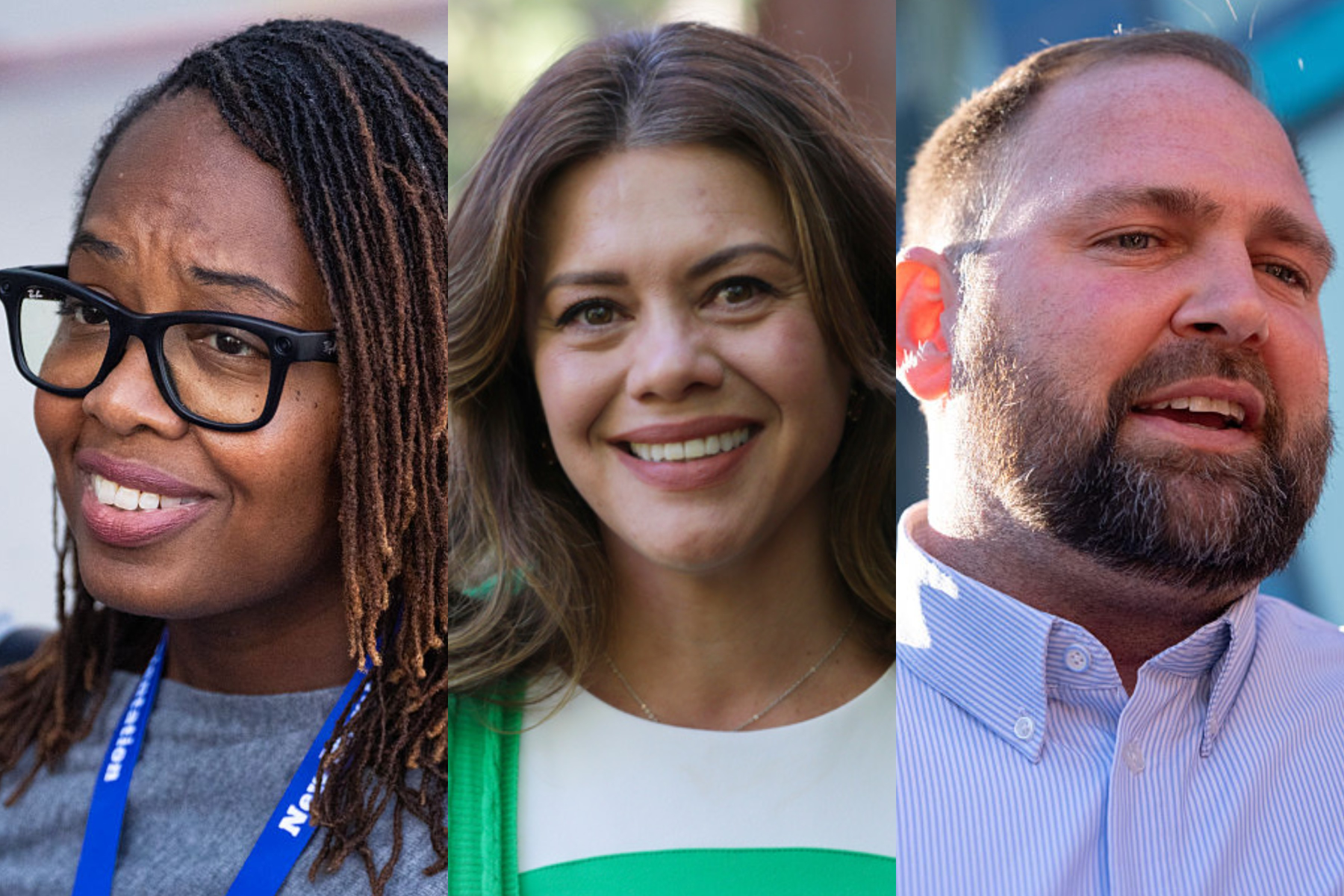 —Tom Williams—CQ-Roll Call/Getty Images, William Hale Irwin—AP, Aaron Schwartz—Getty Images
A pediatrician, a former professor, and a minister with a shoestring campaign are among the Democrats headed to Congress after defeating Republican candidates few expected to lose.
A TIME analysis of 10 pre-election forecasts found more than a dozen House races that Democrats won that every forecaster rated either as tilting, leaning, likely, or even safe Republican or as a toss-up.
Some Democratic candidates had experience as mayors or state lawmakers, but many are political newcomers. Several won despite significantly smaller campaign spending.
Many of the races mark the first time a Democrat has been elected in years. In South Carolina, Annie Andrews will become the state’s first Democratic senator in more than two decades.
Read More: These 2026 Election-Winners Made History in Their States
Several more potential upsets remain in races that have yet to be called by the Associated Press as of early Tuesday, one week after Election Day. In Mississippi, which all 10 forecasters rated Republican, Democratic District Attorney Scott Colom leads Republican Sen. Cindy Hyde-Smith. If he wins, he would be the state’s first Democratic Senate winner since 1982 and its first Black senator since the Reconstruction era.
Colom posted on social media Monday that the “prognosticators” that had written off his and other races in traditionally deep-red parts of the country as solid Republican “made it much more difficult to fundraise and are part of the reason the South has been neglected for so long.” He added: “They’re only a reflection of the past and mysteriously avoid any accountability when they’re wrong.”
The election forecasters TIME examined—Cook Political Report, Decision Desk HQ, FiftyPlusOne, Fox News Power Rankings, Inside Elections, Race to the WH, Sabato’s Crystal Ball, Silver Bulletin’s FLIPR Deluxe model, Split Ticket, and The Economist—largely saw the blue wave coming. But none foresaw just how big it would be.
Here are the races they got wrong in the 2026 midterm elections.
Indiana’s 5th district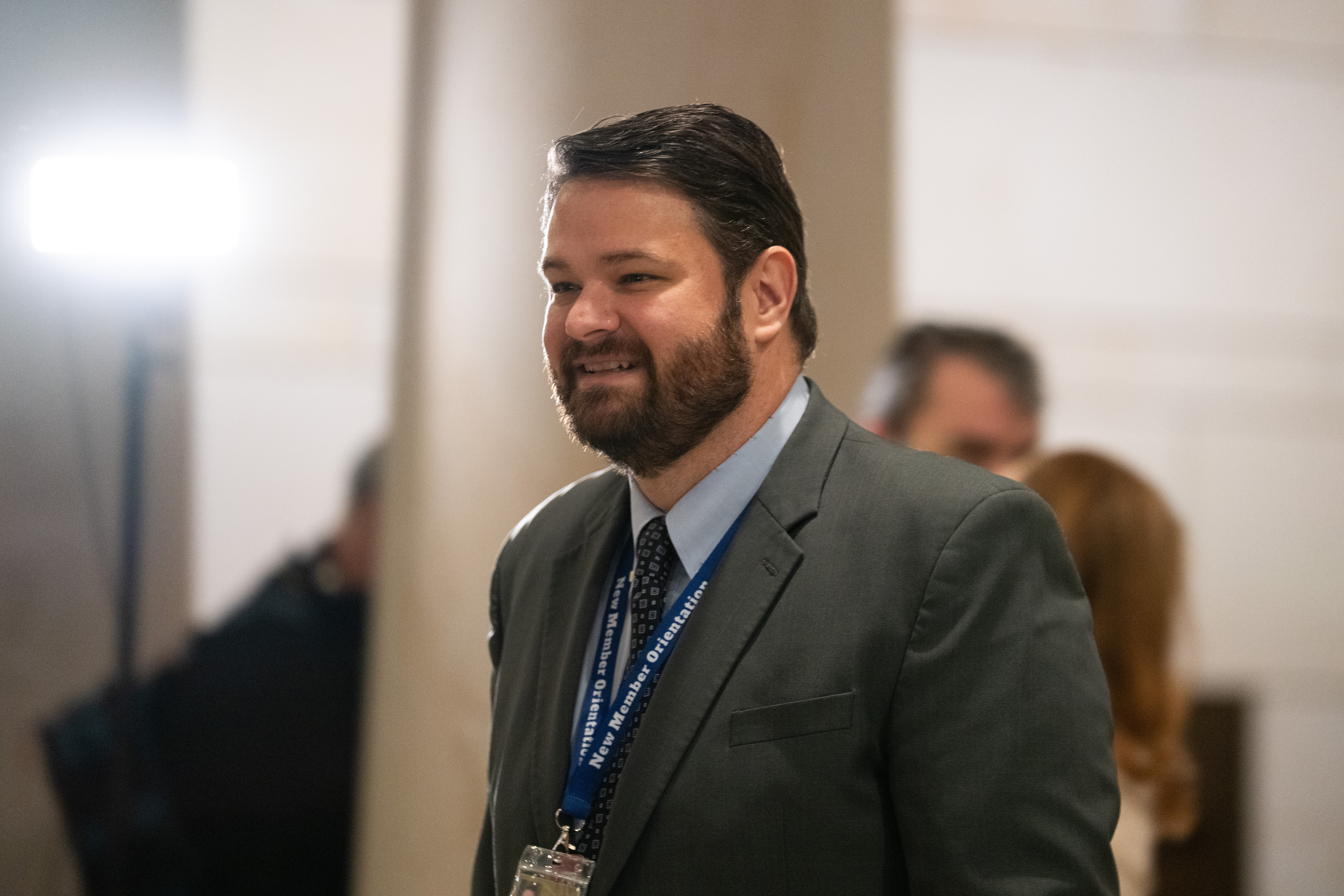 Rep.-elect J.D. Ford (D, Ind.) arrives for the first day of new member orientation at the Capitol in Washington, D.C., on Nov. 9, 2026. —Allison Robbert—AP
J.D. Ford, a Democratic state senator in Indiana, will become Indiana’s first openly gay member of Congress. He defeated Republican three-term Rep. Victoria Spartz in a district that President Donald Trump carried by 17 points in the 2024 presidential election. Not a single forecaster rated the race even as a toss-up.
Ford is the first Democrat elected to the district since Jim Jontz in 1990, although its boundaries have changed substantially since then. Ford raised nearly $800,000 less than his opponent, according to campaign disclosures through Oct. 14, although outside spending favored Ford. Around $4.2 million was spent to support him or attack Spartz, as compared to $1.3 million to support Spartz or attack Ford, according to Federal Election Commission filings through Nov. 6.
Missouri’s 2nd district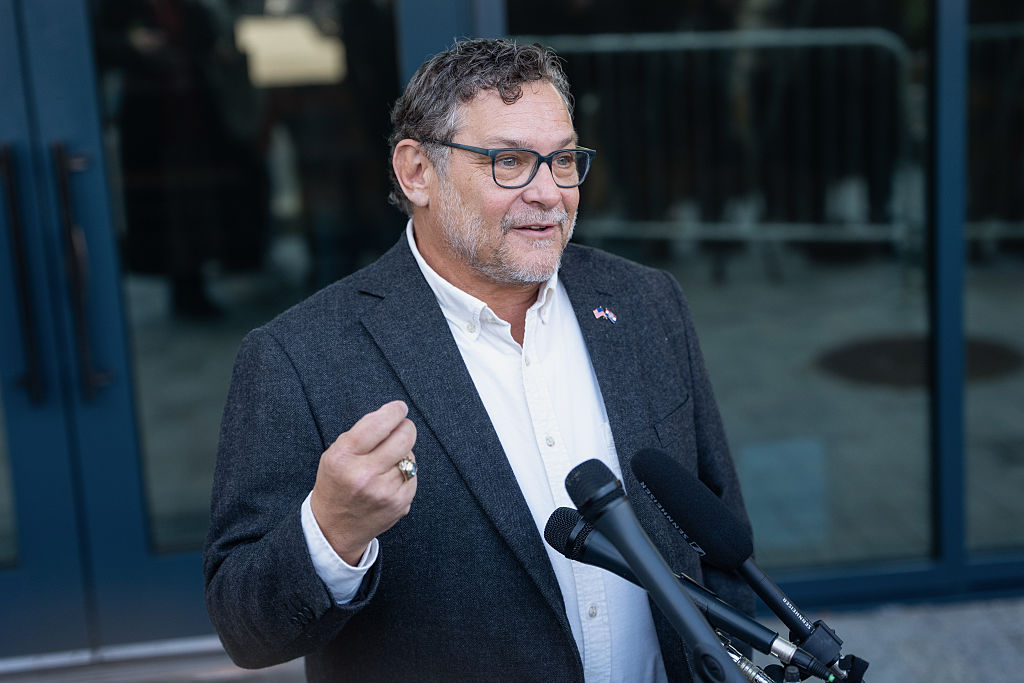 Rep.-elect Fred Wellman (D, Mo.) speaks to the media in Washington on Nov. 8, 2026. —Aaron Schwartz—Getty Images
Fred Wellman has become the first Democrat elected in Missouri’s 2nd congressional district since Joan Kelly Horn in 1990. The podcaster and Army veteran defeated seven-term incumbent Ann Wagner, a Republican, by more than 16,000 votes. Wellman was a first-time candidate.
Inside Elections rated the race Solid Republican, while six other forecasters rated it tilt, lean, or likely Republican. Wellman’s campaign spent $1.9 million through Oct. 14, while Wagner’s spent $5.7 million—almost three times as much. General election outside spending also favored Wagner, with $980,000 spent to support her or attack Wellman, while $387,000 was spent to support Wellman or attack Wagner.
North Carolina’s 6th district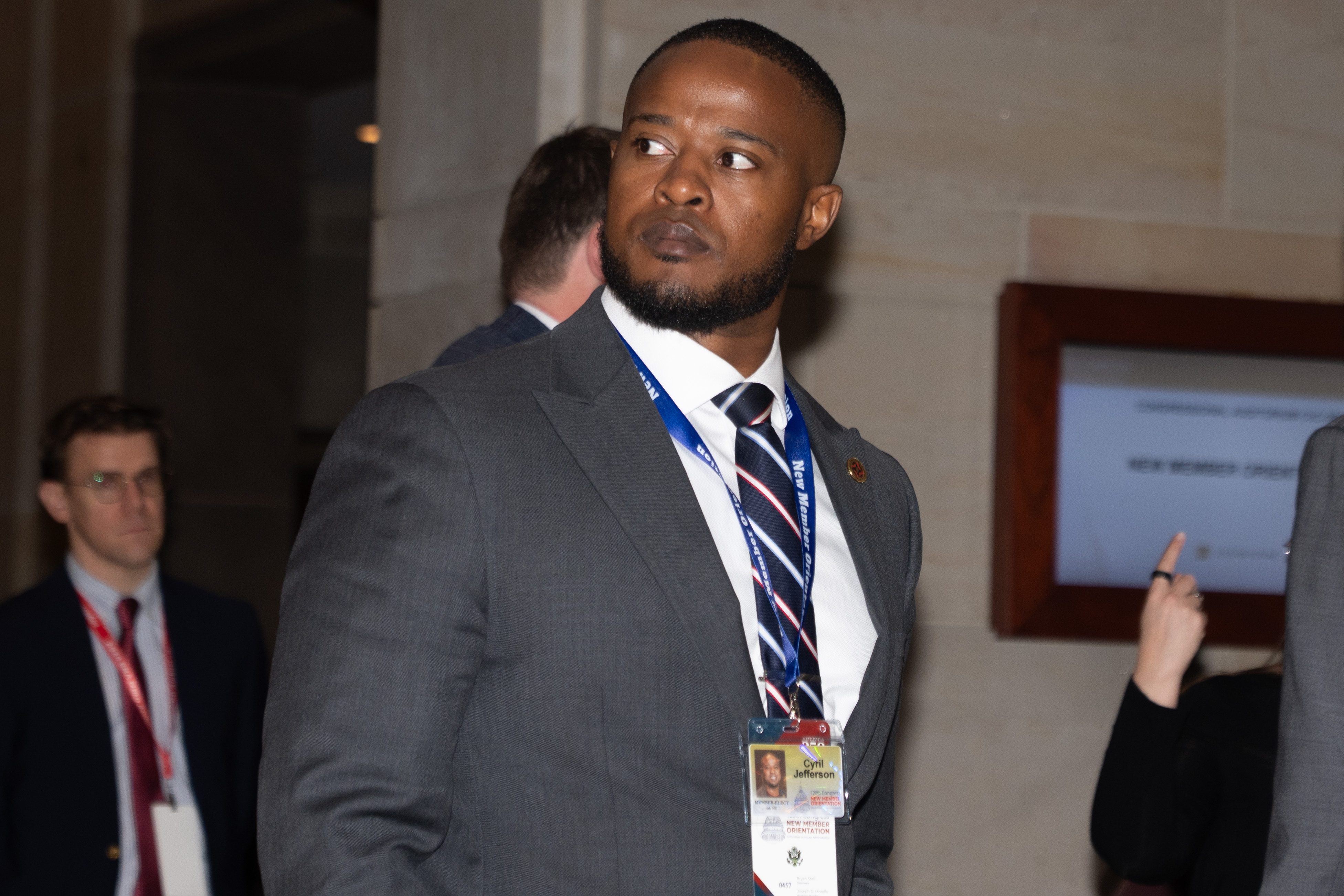 Rep.-elect Cyril Jefferson (D, N.C.) walks through the Capitol basement during new member orientation on Nov. 9, 2026. —Allison Robbert—AP
Cyril Jefferson, the youngest elected mayor of High Point and the city’s second Black mayor, beat incumbent Addison McDowell. McDowell had won in 2024 without a Democratic nominee on the ballot after redistricting prompted Democrat Kathy Manning to retire.
Jefferson’s campaign spent around $224,000 through mid-October, compared to McDowell’s campaign spending of $1.3 million—more than five times as much. Outside spending in support of Jefferson totalled just $211.
Jefferson told Axios that national groups repeatedly dismissed the district as “nowhere on our radar.” Of the 10 forecasters TIME analyzed, seven rated the race as safe or solid Republican, while the other three rated it as likely Republican—the strongest rating short of safe or solid. The Democratic Congressional Campaign Committee (DCCC) didn’t even name the race as one of its “Districts in Play.”
North Carolina’s 9th district Rep.-elect Richard Ojeda (D, N.C.) speaks to the media in Washington on Nov. 8, 2026. —Aaron Schwartz—Getty Images
Richard Ojeda II beat incumbent Richard Hudson, chairman of the National Republican Congressional Committee, which is responsible for electing House Republicans. Ojeda is a former West Virginia state senator and an Army veteran who served for 24 years, including 15 at Fort Bragg. He previously unsuccessfully ran for U.S. Congress in West Virginia and mounted a short-lived 2020 presidential campaign.
Ojeda’s campaign reported spending $2.9 million, compared with Hudson’s $3.9 million, although outside groups spent more than $390,000 supporting Ojeda or opposing Hudson, compared with just $6,000 spent for Hudson.
Hudson is serving his seventh term in Congress since 2013. Fox News rated the race as Solid Republican, while the other nine forecasters all rated it as likely Republican.
North Carolina’s 13th district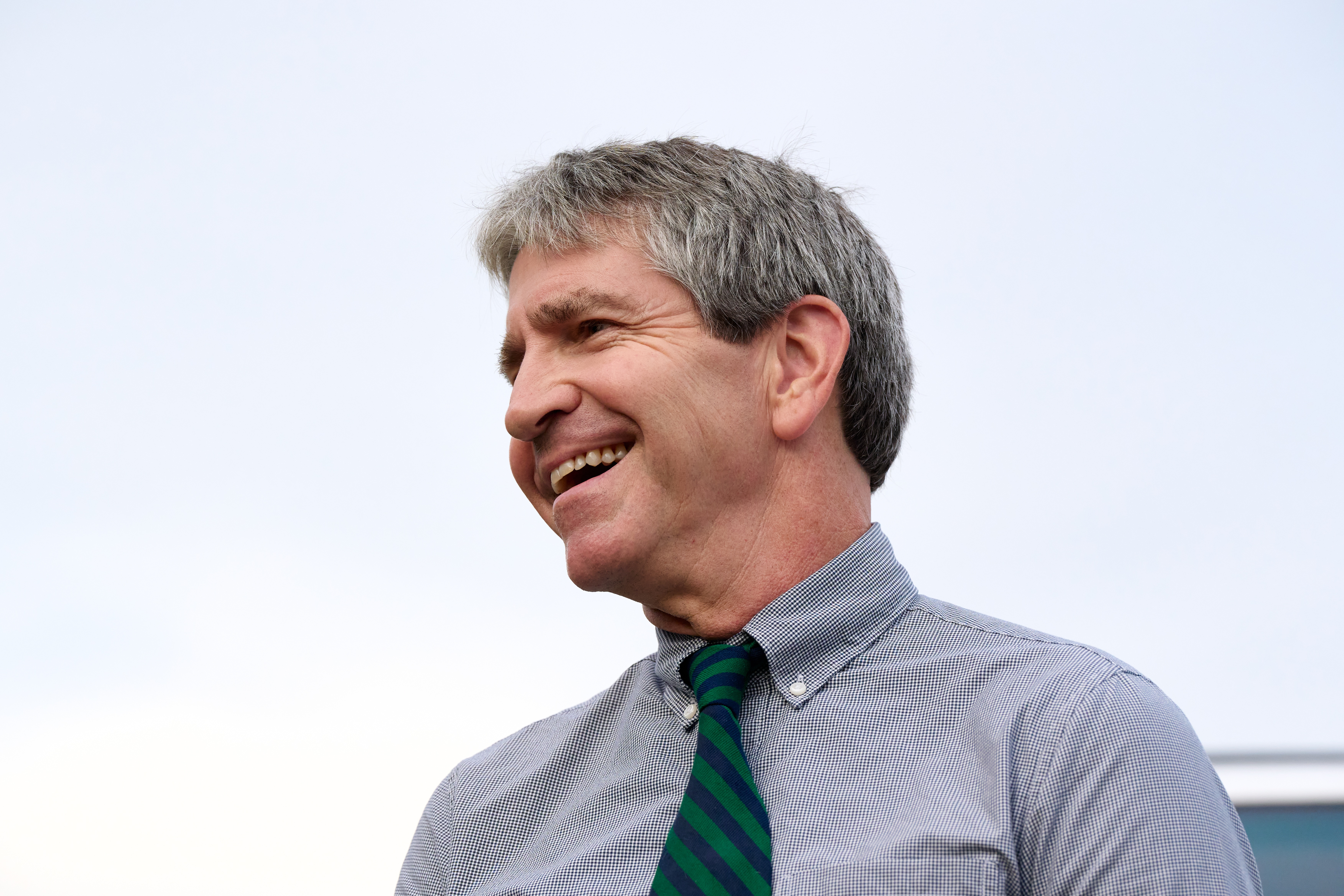 Rep-elect Paul Barringer, then the Democratic nominee for North Carolina’s 13th congressional district, smiles during an interview in Garner, N.C., on Oct. 8, 2026. —Matt Ramey—AP Photo
Paul Barringer, a lawyer, healthcare consultant, and tree farmer, defeated Republican first-term incumbent Brad Knott. Barringer has not previously held elected office. A former Republican, he switched parties before running, and his campaign emphasized cooperation across party lines.
Barringer’s campaign spent around $800,000—about a quarter less than Knott’s $1.1 million. FEC data compiled as of Nov. 6 showed no reported outside spending for or against either candidate.
The district last elected a Democrat in 2022, when Wiley Nickel won. Republican legislators subsequently redrew the district boundaries to remove Democratic voters around Raleigh and include Republican rural areas. Nickel declined to seek re-election in 2024. All 10 forecasters TIME analyzed rated the 2026 race as likely Republican.
Read More: Republicans Went All In on Redistricting Ahead of the Midterms. Why Did It Fail?
North Carolina’s 14th district Rep.-elect LaKesha Womack (D, N.C.) speaks to reporters in Washington on Nov. 8, 2026. —Tom Williams—CQ-Roll Call/Getty Images
LaKesha Womack, a political newcomer, beat Republican first-term incumbent Tim Moore. Womack had among the smallest campaign spending at $55,600, compared to Moore’s $1.9 million. She also received almost no outside financial support, with reported general election spending in support of her totalling just $122. By comparison, outside groups spent $183,000 for Moore. Meanwhile, Republicans spent more than $1 million on media advertising in the race, according to AdImpact data cited by the Times, while Democrats spent nothing.
Moore was North Carolina’s longest-serving state House speaker before entering Congress. He helped shape the 2023 Republican redistricting plan, and not even the DCCC considered the 2026 race as “in play.” Five election forecasters rated the 2026 race as safe or solid Republican while the other five rated it as likely Republican.
Womack, a minister and business consultant, spoke during her campaign about becoming unhoused after a medical emergency left her in intensive care. Her platform prioritized health care and housing affordability.
New Jersey’s 2nd district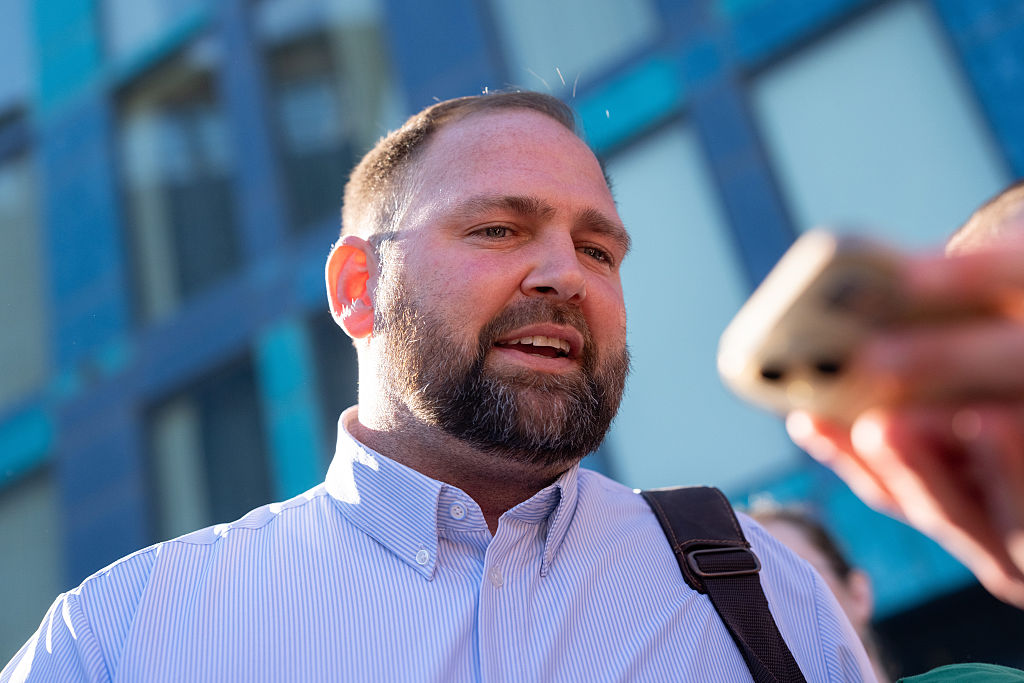 Rep.-elect Zack Mullock (D, N.J.) speaks to the media in Washington on Nov. 8, 2026. —Aaron Schwartz—Getty Images
Cape May Mayor Zack Mullock defeated four-term Rep. Jeff Van Drew in a district where Trump won by 13 points in the 2024 presidential election. Van Drew originally won the seat as a Democrat in 2018, but switched parties in 2019 during Trump’s first impeachment.
Mullock told the New York Times that he never expected to win but nevertheless ran out of a desire to challenge the Trump Administration. Split Ticket rated the race as Safe Republican, while all nine other forecasters rated it lean or likely Republican.
Mullock’s campaign spent $856,000 through Oct. 14, while Van Drew’s campaign spent $2.3 million. Mullock’s campaign never received financial support from the DCCC, the Times reported, even though the race was on its “Districts in Play” fundraising targets list. Mullock nevertheless benefitted from heavy independent spending against Van Drew. Outside groups spent $1.9 million for Mullock or against Van Drew, compared to $601,000 for Van Drew.
Nevada’s 2nd district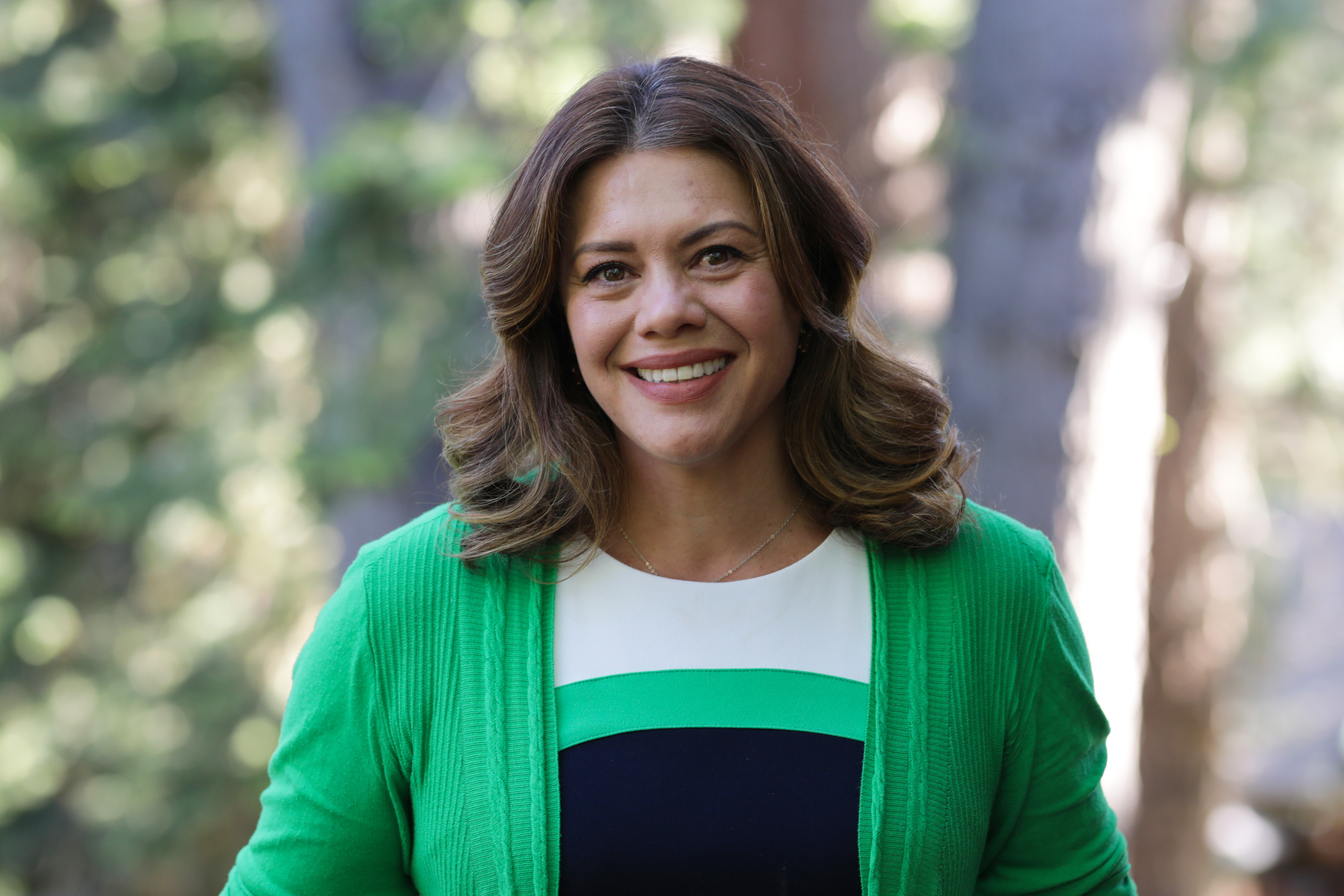 Rep.-elect Teresa Benitez-Thompson, then a Democratic candidate in Nevada’s 2nd congressional district, poses during a campaign event in Incline Village, Nev., on June 11, 2026. —William Hale Irwin—AP
Teresa Benitez-Thompson became the first Democrat ever elected to Nevada’s 2nd congressional district, winning a race that not a single forecaster TIME analyzed had rated as even a toss-up, though Republican retiring Rep. Mark Amodei, who had won the district by 19 points in 2024, had said the seat was “at risk” due to the Trump-endorsed GOP nominee seeking to replace him.
Benitez-Thompson, a former Nevada Assembly majority leader and social worker, defeated Republican David Flippo, a small business owner whom Amodei refused to endorse over controversies related to Flippo’s military record as well as personal and campaign finances.
Benitez-Thompson’s campaign spent around $873,000, compared with Flippo’s $2.8 million. The race attracted $6.5 million of general election outside spending—the most that district has ever seen, according to the Nevada Independent—$2.5 million of which supported Benitez-Thompson or attacked Flippo.
Ohio’s 10th district Rep.-elect Kristina Knickerbocker, then the Democratic candidate for Ohio’s 10th congressional district, conducts a roundtable on childcare costs in Dayton, Ohio, on Oct. 21, 2026. —Tom Williams—CQ-Roll Call/Getty Images
Kristina Knickerbocker narrowly defeated 12-term incumbent Mike Turner, flipping the district blue. Only FiftyPlusOne had rated the race as a toss-up, while nine other forecasters rated it as lean or likely Republican.
Turner spent about $538,000 more on his campaign than Knickerbocker, an Air Force veteran and nurse practitioner who has not previously held elected office. But independent spending favored the Democrat, with outside groups spending around $7.7 million, including $4.6 million from House Majority PAC, on helping Knickerbocker defeat Turner. Outside groups spent $4.5 million for Turner or against Knickerbocker.
The last Democrat elected to the district was Dennis Kucinich in 2010, before the district was redrawn from the Cleveland area to the Dayton area.
Ohio’s 15th district Rep.-elect Don Leonard, then the Democratic candidate for Ohio’s 15th congressional district, talks with voters in Circleville, Ohio, on Oct. 23, 2026. —Tom Williams—CQ-Roll Call/Getty Images
Don Leonard beat three-term incumbent Mike Carey in a race that, like Ohio’s 10th district, only FiftyPlusOne had rated as a toss-up, while the other forecasters rated it as lean or likely Republican. The district last elected a Democrat in 2008, when Mary Jo Kilroy won under different boundaries.
Leonard, a former college professor at Ohio State, was a first-time candidate who defeated the Democrats’ 2024 nominee, Adam Miller, in the primary. Leonard’s campaign spent around $1.2 million through Oct. 14, compared with Carey’s $4 million. House Majority PAC spent another $2.5 million against Carey, contributing to a total of $6.5 million of outside spending on Leonard’s side. Outside groups spent $5.1 million on Carey’s side.
South Carolina’s 1st district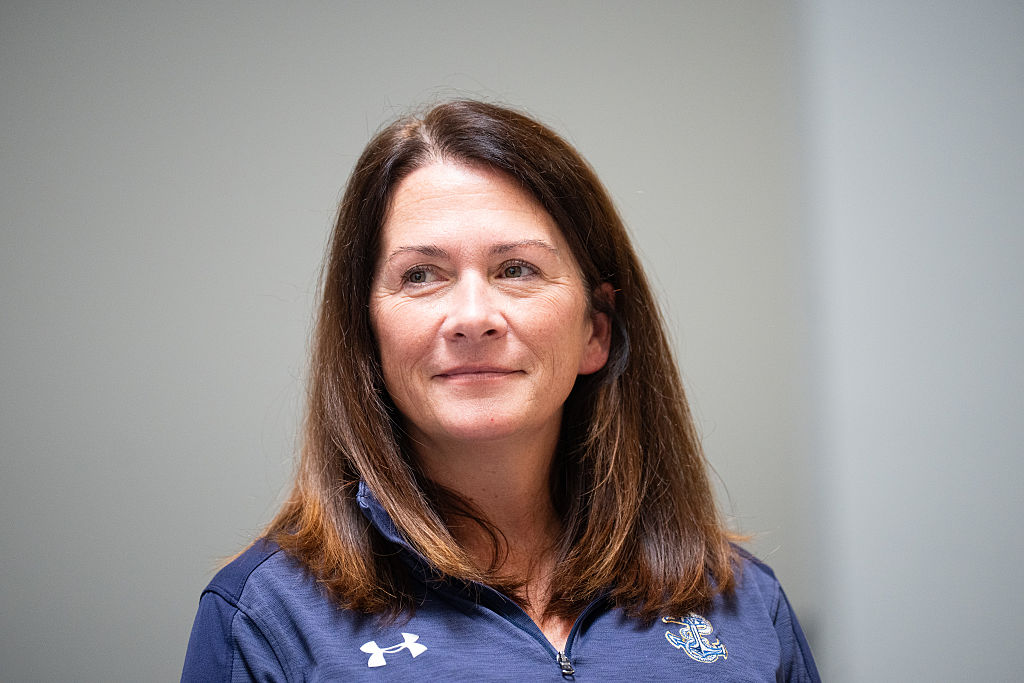 Rep.-elect Nancy Lacore, then the Democratic candidate for South Carolina’s 1st congressional district, speaks to campaign staff and volunteers during a canvassing kickoff at her camapign headquarters in Mt. Pleasant, S.C., on Sept. 26, 2026. —Bill Clark—CQ-Roll Call/Getty Images
Nancy Lacore, a retired Navy vice admiral who was dismissed by Defense Secretary Pete Hegseth in 2025 and has not previously held elected office, defeated Republican Jenny Costa Honeycutt in the open race to represent South Carolina’s 1st district.
Democrat Joe Cunningham previously flipped the seat in 2018, then lost to Republican Nancy Mace in 2020. Mace did not pursue reelection this year to pursue an unsuccessful run for governor.
Lacore’s campaign spent around $4.7 million against Honeycutt’s $984,000, although Honeycutt benefitted from $7.5 million in outside spending, compared to $3.7 million for Lacore.
Cook Political Report and Race to the WH rated the race as a toss-up, while eight other forecasters rated it as tilt, lean, or likely Republican.
Texas’s 9th district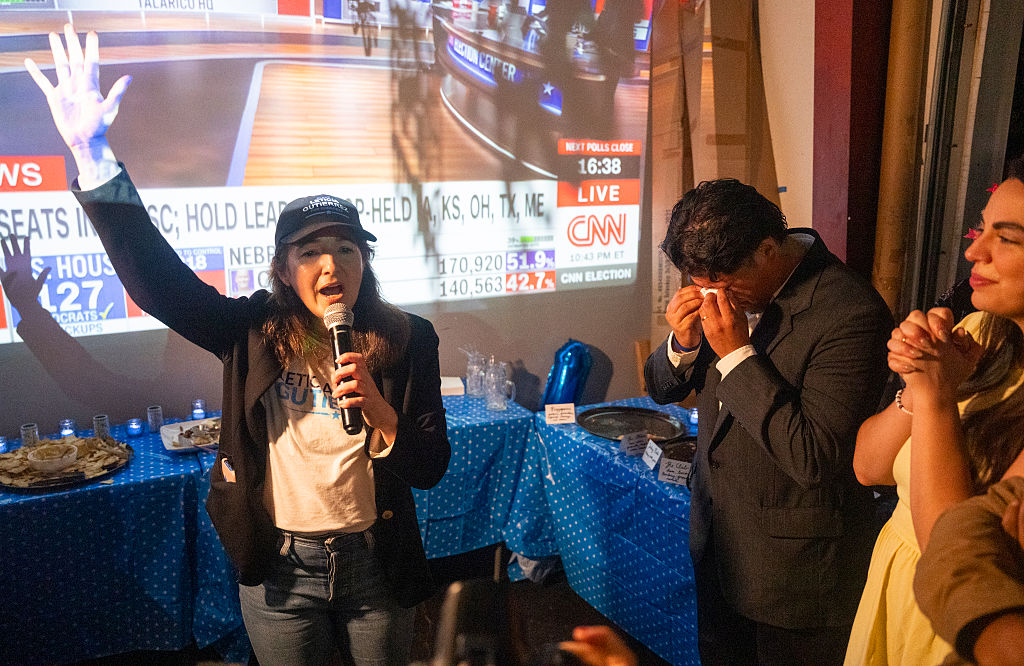 Rep.-elect Leticia Gutierrez (D, Texas) speaks at an Election Night rally in Baytown, Texas, on Nov. 3, 2026. —Jason Fochtman—Houston Chronicle/Getty Images
Leticia Gutierrez, a former Houston government aide and environmental advocate, beat Republican small business owner and veteran Alex Mealer in a district that the GOP redrew last year. The redrawn boundaries transformed a Democratic-held district into an area that Trump had carried in 2024 by nearly 20 points. Still, Gutierrez won by 15.1 points despite her campaign spending considerably less—$104,000 in total—than Mealer’s $2.6 million. She was supported by an additional $268,000 in outside spending, compared with $3.1 million on Mealer’s side.
Gutierrez, a first-time candidate, told the AP that Democrats and donors considered her district a lost cause. Not a single forecaster that TIME analyzed rated the race even as a toss-up.
Gutierrez’s surprise victory retains the Democratic hold on the district. Democrat Al Green had represented the district since 2005 and won unopposed in 2024, but the redistricting moved him into a different congressional contest, in which he lost the Democratic primary.
Gutierrez’s win comes amid a broader blue wave in Texas and marks one of the largest Democratic shifts across the country, shifting the district around 35 percentage points toward Democrats compared with the 2024 presidential election.
Read More: Are Democrats’ Stunning Midterm Upsets in Deep-Red States a Blip—or Is Their Map Expanding?
Texas’s 23rd district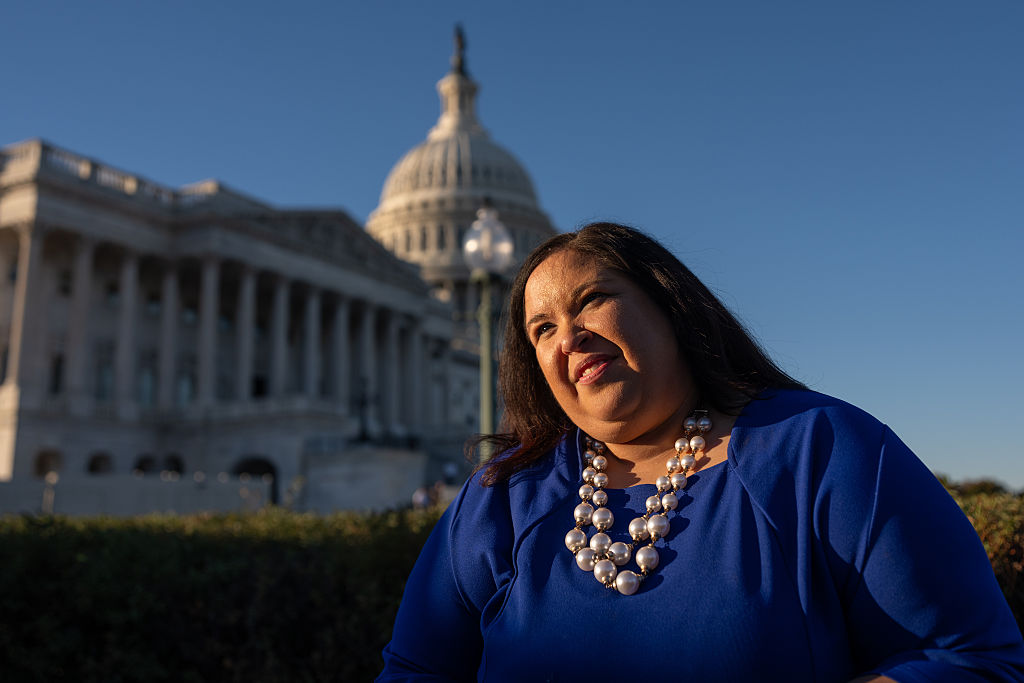 Rep.-elect Katy Padilla Stout (D, Texas) gives remarks to the media outside the Capitol in Washington, D.C., on Nov. 8, 2026. —Aaron Schwartz—Getty Images
Katy Padilla Stout, an attorney and former teacher who has not held elected office before, defeated Republican gun rights activist Brandon Herrera for the seat previously held by Republican Tony Gonzales, who dropped his re-election bid and later resigned from Congress amid an ethics investigation regarding a sexual affair with a former staffer.
Three election forecasters rated the race as a toss-up while seven rated it as lean or likely Republican. Padilla Stout, who is the district’s first Democratic winner since Pete Gallego in 2012, spent roughly $973,000 on her campaign, compared to Herrera’s $2.8 million, though she was helped by outside groups spending around $4.8 million for her or against Herrera. Outside groups spent $3.1 million on Herrera’s side.
South Carolina Senate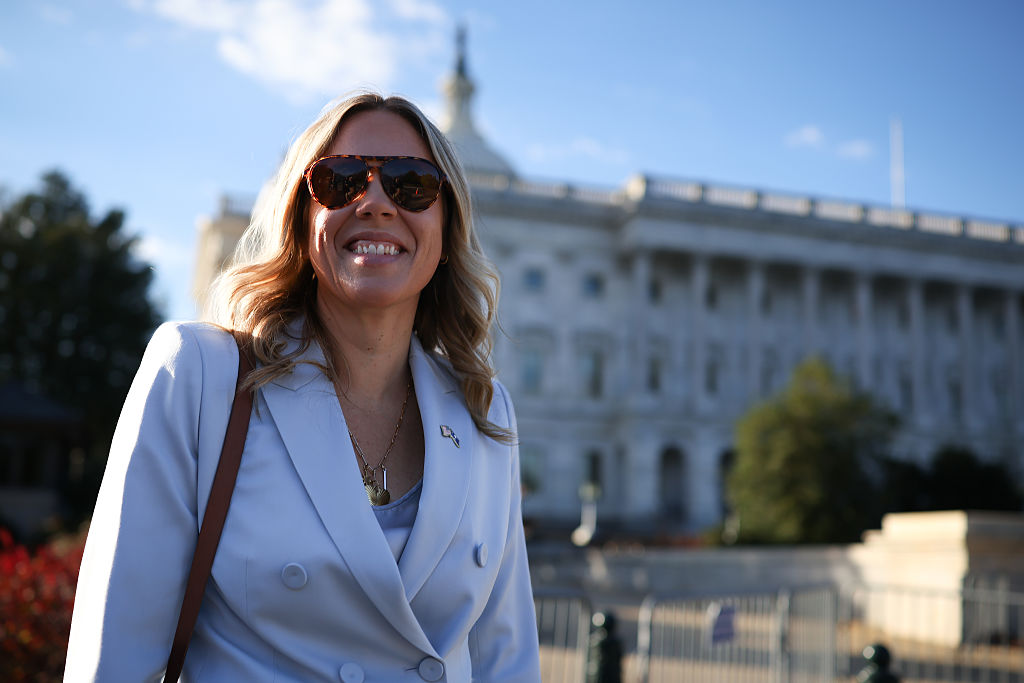 Sen.-elect Annie Andrews (D, S.C.) arrives at the Capitol for new member orientation on Nov. 9, 2026. —Win McNamee—Getty Images
Annie Andrews became the first woman elected to the Senate from South Carolina and the first Democrat elected to the Senate from the state since Fritz Hollings in 1998. Andrews beat Republican incumbent Darline Graham, who had been appointed after the death of her brother, longtime Republican Sen. Lindsey Graham, in July.
Andrews, a pediatrician who had never held elected office and ran unsuccessfully for the House in 2022, was helped by heavy campaign spending—$22.5 million against Graham’s $1.28 million. Nevertheless, her victory was surprising. Of the eight 2026 U.S. Senate races that at least one forecaster had rated a toss-up, it was the only one where not a single forecaster had rated the race as tilting, leaning, or likely Democrat. (Democrats won all of those races, except for Alaska, which remains uncalled.) Seven rated the South Carolina race as tilt, lean, or likely Republican, while three rated it a toss-up.
Categories: ENTERTAINMENT RSS Streams
What Making a Film About Iran Taught Me About Power
 Young Iranian women walk together along a sidewalk in downtown Tehran, Iran, on April 23, 2026. —Morteza Nikoubazl-Nur Photo-Getty Images
More than a decade ago, in Tehran, Tahereh Noori, a 35-year-old housewife, and her two teenage daughters killed her husband. They buried his body beneath the living room floor, under the coffee table. Tahereh had endured years of abuse, and all her attempts to obtain a divorce through Iran’s family courts had failed. The violence had become part of her children’s lives as well as her own. She felt there was no other way out.
When I first heard her story, I could not stop thinking about the distance between asking for a divorce and burying a husband beneath the floor. What had happened in those years? How had killing him come to seem like her only escape?
By the time my co-director, Farzad Jafari, and I began making An Eye for an Eye, a film about Taherah, she had spent 14 years in prison under the threat of execution. Under Iran’s system of qisas, her husband’s family could seek her execution or forgive her in exchange for diya, or blood money. Her temporary release on bail gave her a chance to participate in negotiations over her fate. Her children, now adults, were trying to raise the money that might save their mother’s life.
I had expected to make a film primarily about Tahereh and the tragic drama of her life: the violence she had endured, the legal system that had trapped her, and the possibility that she might be executed. Instead, making the film transformed my understanding of the strength of Iranian civil society.
Iranian lessonsDuring our research, we met activists who had devoted their time and attention to helping people facing the death penalty. This was how I got to know Farkhondeh Jabarzadegan, an anti-execution activist, and the women who volunteered alongside her. They were lawyers, social workers, activists, and ordinary citizens who had learned to navigate a legal system that families often struggled to contend with on their own. They did not work through a single organization or follow a formal plan. Much of their work was unpaid. Sometimes they simply knew whom to call.
At first, I thought of this as a practical response to a broken system. But the longer I watched, the clearer it became that I was seeing something more consequential. These women had built a kind of informal infrastructure of care. They knew which doors might open. They knew how to approach a grieving family. They knew when to argue and when to listen. They understood that telling grieving relatives they were wrong to stay angry would do little to persuade them to forgive a person who had killed someone they loved.
These women activists spent hours sitting with Tahereh’s husband’s relatives, asking them to reconsider. They would listen to anger without dismissing it. When the conversation turned to money, they tried to bring the amount of blood money demanded within reach of Tahereh’s family. Watching them, I became aware of how much skill it took to sustain what might look from the outside like an ordinary conversation. They were negotiating the terms of forgiveness with a family whose decision was bound up with grief, anger, faith, and money, and could determine whether Tahereh lived or died. And they were doing it without the power to compel anyone.
They also had to listen to Tahereh herself. After 14 years in prison, she was understandably angry and felt she had been punished enough. Her children were desperate to prevent her execution, whatever it took. Tahereh did not always agree with the people trying to help her. She often resisted their advice or became frustrated with the process. They were not helping an idealized or even always grateful victim. The volunteers kept working with her, responding to a complicated person in an impossible situation.
Navigating TehranIn making this film, I expected to encounter the many restrictions that Iranian society and its religious legal system imposed on women. I expected to see how the law oppressed and failed them. What surprised me was how much influence women had learned to exercise within those constraints. That influence was rarely dramatic. Often it took the form of quiet persistence, whether that meant making another phone call, finding another intermediary, or sitting down with someone who had already said no.
Their work made me think differently about what civil society means in a country where formal institutions may not provide people with the protections they need. We often think of civil society in terms of organizations, institutions, and public movements. But it can also take less visible forms. It can grow out of knowledge passed from one person to another, relationships built over years, and a willingness to intervene in the life of someone who is neither a friend nor a relative. The women I met had developed precisely this kind of network.
Their work also challenged an assumption I had held about what it means to live under a restrictive system. It is easy, particularly from outside Iran, to imagine people living under such systems primarily as powerless. But power does not disappear simply because the state is powerful. Power moves into other places. People living under authoritarian governments can still exercise power and influence through relationships, knowledge, social networks, and persuasion.
The women helping Tahereh could not rewrite the law. They could not compel her husband’s family to forgive her. They could not undo the violence that had already taken place. But they could open up possibilities within a system that seemed to leave very few. And that changed the way I thought about Iran. Through Tahereh’s story, I learned that Iran is not simply a society oppressed by its laws. Iran is also a society full of people who had become extraordinarily adept at navigating the country’s legal and political system.
The ingenuity these Iranian activists had developed was itself, in part, a consequence of the failures of the institutions around them. I wish they did not have to spend their time persuading families to spare families facing executions. Their efforts cannot substitute for laws that protect women from violence or for a justice system that treats them fairly. But their work reveals something that is easy to miss when all we see of Iran is its government: the persistence of a socially and culturally engaged population that has not surrendered its capacity to act.
Tahereh’s story began with a failure of institutions. A woman tried to leave an abusive marriage and could not. The violence escalated. Eventually, she and her daughters killed the abuser they believed they could not escape. But the story did not end there. Around Tahereh were people who refused to accept that her fate was predetermined. They could not erase the killing. They could not make the system fair. They could not guarantee forgiveness. They could intervene and they did.
Categories: ENTERTAINMENT RSS Streams
Congress’s Permitting Bill Is a ‘Massive Giveaway’ to the AI Data Center Industry, Critics Warn
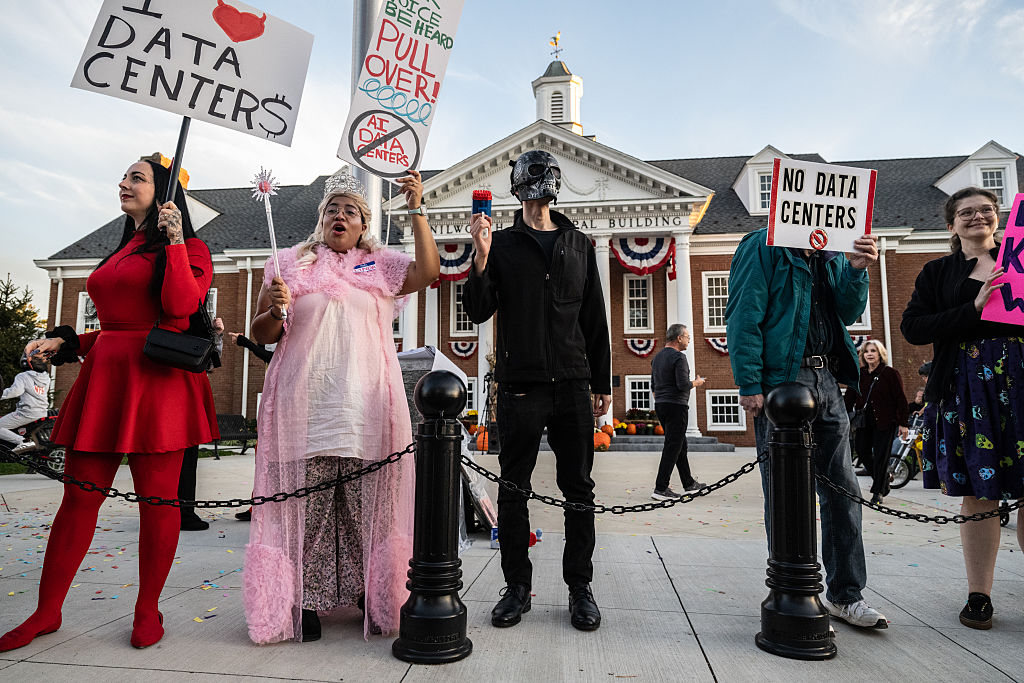 Protestors rally against the CoreWeave AI data center in Kenilworth, New Jersey in October. As data center anger has swelled, Congress just passed a bill that could ease their construction. —Stephanie Keith—Getty Images
On Monday, the Senate voted to advance a bipartisan bill aimed at easing the construction of new energy infrastructure. The bill, the Bipartisan American Affordability and Jobs Act (BAAJA), has a broad base of support, including from labor leaders who contend it will produce thousands of jobs and clean energy proponents who believe it could unlock wind and solar. Its sponsors are hoping to pass the bill before the current Congress ends in January.
But the bill has also received vehement blowback from a growing coalition of anti-data center critics, who argue that it would accelerate the buildout of an industry that Americans resoundingly voted against in the midterm elections. BAAJA does address affordability concerns by forcing data centers to pay the full cost of the upgrades they trigger, and contains transmission reforms designed to modernize the grid. But it also strips back environmental protections and could lead to more data centers powered by gas and built on public lands.
Hundreds of local and national organizations have signed letters urging Congress not to pass the bill as written, including the Sierra Club and the Natural Resources Defense Council. Conversely, many industry trade groups have been supportive of the bill, despite the fact that it would likely make building more expensive. On Sunday, Donald Trump urged the Senate to pass the bill on Truth Social, writing that “China will take any Data Center that we don’t want.”
The bill represents the first major test for Democrats post-election, as they contend with how to deliver on affordability and many other issues in their sprawling coalition at the same time.
“Everything about BAAJA goes against the spirit of voters this midterms, in which we saw voters turn out for candidates who directly oppose data centers,” says Allie Rosenbluth, U.S. campaigns manager at the environmental nonprofit Oil Change International. “This bill is a massive giveaway to the data center industry—and creates a backdoor for fossil fuels to enter the grid through data centers.”
Read More: How AI Backlash Shaped the 2026 Midterms
Gas and Fossil FuelsAmerica’s data center boom has also been a gas boom. In the scramble to bring AI data centers online as fast as possible, many developers have built their own gas power plants instead of waiting to connect to the grid. Global Energy Monitor data reported by Wired show that U.S. gas projects powering data centers increased from roughly 4 gigawatts in early 2024 to 189 gigawatts in development by mid-2026. In some cases, these gas plants have worsened local pollution and exacerbated health issues like asthma, scientific researchers contend.
Read More: Inside the Memphis Community Battling Elon Musk’s xAI
BAAJA incentivizes a wide range of energy sources to come online faster, including solar and wind. Many experts are hopeful that the bill will accelerate the buildout of transmission lines that are essential for bringing clean energy online.
But environmentalists worry that the first and foremost beneficiary of the bill won’t be clean energy sources but rather gas-powered data centers, because there is already a massive pipeline of proposed projects waiting for various approvals. Rosenbluth points to several gas-powered data centers that are currently plodding through the permitting process, including the Ports-Pike Technology Campus in Ohio and the STAK Energy Campus in Alaska. If BAAJA were to pass, she says, key environmental permits they are trying to obtain could be fast-tracked, potentially allowing them to come online much more quickly.
Holly Bender, chief program officer of the Sierra Club, says that "based on their need for speed to power, the data center industry is driving a historic and alarming investment in gas and fossil fuels. There’s a lot in this bill that will make it easier and faster to build gas pipelines, while making it harder for communities to have a say.”
Public and Tribal landsAnother major concern from critics is that the bill will lead to many more data centers getting built on federally-owned land. The Trump administration has embraced this idea, and signed an executive order in July 2025 directing the Interior and Energy departments to make federal sites available for data centers and to streamline their environmental reviews. “We’re going to ‘mine, baby, mine’ so we can ‘build, baby, build’ because we’ve got to build AI data centers,” Interior Secretary Doug Burgum said in 2025.
There are at least 17 active applications connected to data center campuses on public land, covering thousands of acres in Arizona, Idaho, Nevada, and other states, one recent study found. BAAJA’s permitting provisions could make those projects easier to advance and harder to stop, including limiting judges’ ability to halt construction due to environmental review.
Additionally, some Tribal organizations and leaders have spoken out forcefully against the bill, with a coalition of Tribal leaders writing on Saturday that the bill would “gut the ability of Tribal Nations and the American public to identify and protect historic and cultural places threatened by federally connected projects—including data centers.”
Potential benefitsHowever, the bill’s advocates argue that it addresses several of the public’s most pressing data center concerns. The first is around affordability: The bill contains ratepayer protections which would require developers to pay for the added cost of transmission. One study estimates that data centers would pay approximately $55 billion in transmission charges over ten years—about $35 billion more than under current policy. The bill establishes protections to prevent households and businesses from being left with the bill for failed projects.
“The day of data center freeloading ends when this bill passes,” Senator Sheldon Whitehouse, one of the bill’s Democratic sponsors, said last week. He added on Monday that passing the bill would set the stage for Democrats to work on substantial clean energy policies next year when they control both chambers.
A study from the Rhodium Group projected that the bill as introduced will reduce household electricity bills, both by expanding access to lower-cost electricity and by preventing data-center costs from being shifted to other customers. But Meg Slattery, a staff scientist at Earthjustice, contends that the ravenous demand from the data center industry could simply soak up the power that comes online.
“It's quite possible that if there are more gas pipelines being built, for example, that is going to increase data center demand,” she says. “We are supportive of transmission reform because we want to build a clean energy grid that benefits everybody. But these other provisions, we think, are going to fast-track the worst version of this story.”
Following Monday’s cloture vote, the Senate must vote to take up the legislation. If it does, the bill will face the amendment process, and any Senate-passed version would then have to pass the House in identical form before going to Trump.
The bill’s advocates argue that its passage would serve as a rare bipartisan win and a victory for affordability. But critics, especially those on the left, are calling for Democrats to wait until the next Congress. “You just heard Americans demand much more of a say in a way that AI is shaping their lives,” says Michele Jawando, the CEO of Omidyar Network. “Whenever you try to ram something through in a lame duck Congress before you have a hundred new House members, that’s never a good look for either the industry or other actors.”
Categories: ENTERTAINMENT RSS Streams
Fossil Fuel Emissions Are Expected to Decrease in 2026
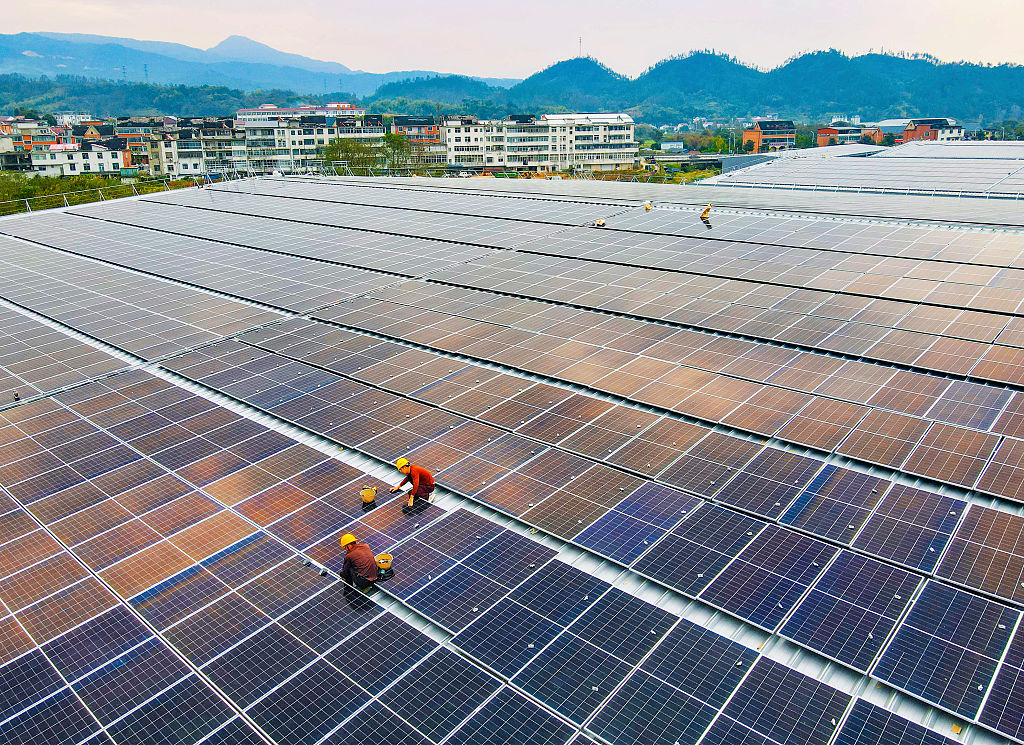 Workers install solar panels on the roof of a greenhouse growing mushrooms in Yuexi County, Anqing, in China's eastern Anhui Province on Oct. 29, 2026. —CN-STR—Getty Images
Global fossil fuel emissions are likely to decrease by 0.4% in 2026, according to new research by the Global Carbon Project, an annual report that tracks trends in global carbon emissions.
The drop was spurred on by the energy shock triggered by the Iran war and the expansion of wind and solar power adoption globally.
While it’s a promising sign, the researchers say that the findings don’t spell out a permanent decline in fossil fuel use, but rather a temporary shift.
“We see a decrease in emissions, but it's probably driven by a short term shock rather than a systemic peak,” says Mike O’Sullivan, senior lecturer at the University of Exeter and one of the report’s researchers.
Two of the world’s three biggest emitters are expected to see a drop in emissions. China’s emissions are expected to drop by 0.9% in 2026, following two years of remaining flat or falling. The country is a world leader in clean energy adoption, but is also responsible for 32% of global fossil fuel emissions. The U.S. is also expected to see a 1.3% decrease in emissions, mainly attributed to a decrease in coal emissions following a spike in 2025 due to high natural gas prices and a spell of cold weather. This trend, however, could shift. Since taking office, President Trump has invested hundreds of millions towards reviving the country’s coal industry, and repealed emissions standards for coal and gas power plants.
India, on the other hand, will likely see emissions rise by 4.4%—a bump from the 3.5% annual growth in fossil fuel emissions it has averaged over the last decade.
The European Union and Japan are also expected to see slight decreases in fossil fuel emissions, while emissions for the rest of the world are also expected to decrease by 0.7%—largely due to decline in oil use.
Global emissions from land-use change, another sector tracked in the report, have decreased over the past decade, but this year they’re expected to rise to 5.1 billion metric tons. That’s due to an increase in peat fires, slow burning fires that move beneath the ground, consume wetland soil and often lack visible flames, many of which have been ignited by human activities, and El Niño, which is increasing wildfire risk in places like Southeast Asia and South America. These fires release large amounts of carbon dioxide and greenhouse gasses into the atmosphere.
The concentration of CO2 in the atmosphere is set to reach 427.7 ppm in 2026—54% above pre-industrial levels. According to the report, the global carbon budget, which represents how much carbon dioxide can be emitted before warming reaches 1.5°C above pre-industrial levels, is now at 150 billion metric tons—equivalent to less than four years of emissions, assuming the world continues to emit at its current rate.
The world is expected to blow past 1.5 degrees of warming, the U.N. has recently warned, and global climate goals are falling short of what is needed. But the authors highlight some signs of promise.
Despite some places seeing total emissions increase between 2019 and 2025, all regions still saw growth slow—including in China, India, and other emerging economies. On the other hand, more than two dozen countries have managed to grow their economies without increasing emissions, and the global adoption of wind and solar energy has helped avoid billions of metric tons of emissions.
The authors estimate that, between now and the end of 2028, 64-79% of emissions from new energy demand will be offset by new solar and wind power and electric vehicles. What’s more, if the world continues to see an acceleration of clean energy adoption, it could see emissions peak and decline in just a few years.
It doesn’t mean the work is done. “There's plenty of good news in terms of the rapid expansion of renewables,” says O’Sullivan, “but on a global scale, it's completely inadequate.”
Categories: ENTERTAINMENT RSS Streams
Trump Opens the Door to Immigration Reform. Can Democrats Trust Him?
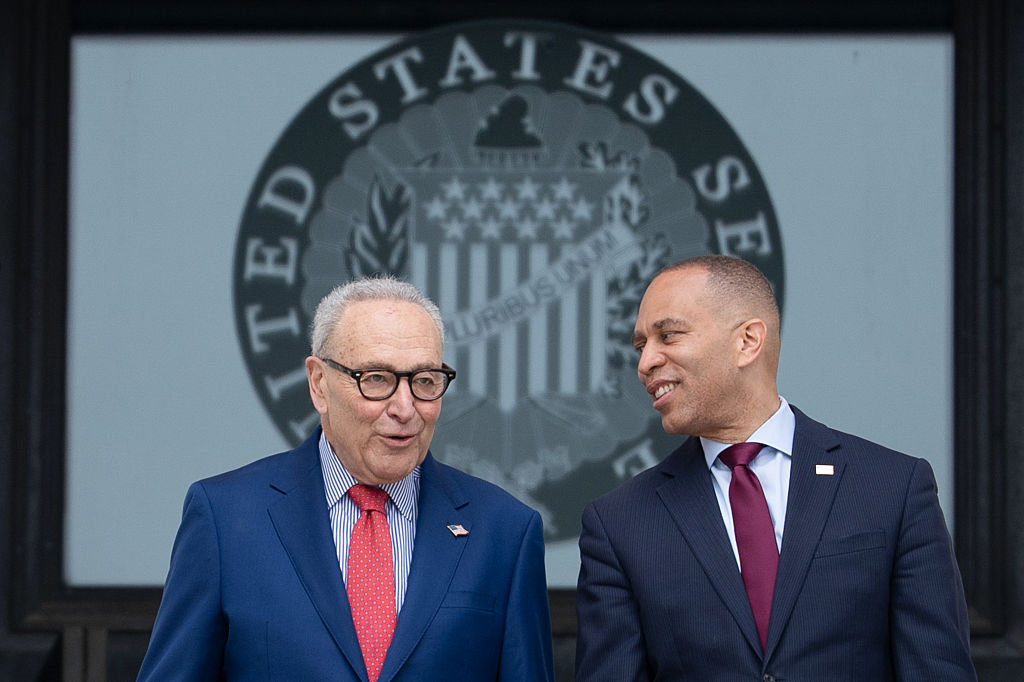 Senate Minority Leader Chuck Schumer, a Democrat from New York, left, and Representative Hakeem Jeffries, a Democrat from New York, arrive for a news conference with Democratic lawmakers outside the Capitol in Washington, DC, on Thursday, May 21, 2026. —Aaron Schwartz–Bloomberg via Getty Images
President Trump signaled last week that he is open to working with Democrats on immigration, after two years of carrying out aggressive immigration enforcement and deportation policies across the country.
Days after the midterm election losses, Trump acknowledged during an interview on 60 Minutes filmed on Friday that his Administration’s mass deportation policies might be “too tough.” “Let the people that are here, and in some cases, here for 10 and 15 years—work a deal for them,” Trump says.
The offer by Trump follows a midterm election in which his Administration policies prompted a national backlash that strategists say played a role in delivering to Democrats one of their best election showings in decades. On Monday, Homeland Security Secretary Markwayne Mullin echoed Trump’s conciliatory remarks, telling reporters at a conference in Maryland that Trump has encouraged him to work with Democrats who have reached out about collaborating on immigration reform in the new Congress.
The prospects of Trump agreeing to an immigration deal drew wariness from both parties. Democrats were especially circumspect at Trump’s gentler tone days after tapping Stephen Miller, the architect of the Administration's immigration agenda, as his new White House Chief of Staff.
“Miller…is probably extremely unlikely to advise the president to sign a bad immigration bill or a sweeping amnesty,” says Andrew Arthur, a former immigration judge and a resident fellow at the conservative Center for Immigration Studies.
The crop of newly elected Democrats to Congress include many who campaigned against Trump’s immigration policies, specifically raids conducted by Immigration and Customs Enforcement. Democratic Socialist Claire Valdez, who just won a House seat in New York representing part of Brooklyn, said at a press conference on Sunday that congressional Democrats “have a mandate” to abolish ICE.
Rep. Hakeem Jeffries, the House Democratic Leader who is on track to be the next Speaker of the House, said in a CBS interview on Monday that any potential deal with Trump should start with restoring protections for recipients for programs like the Deferred Action for Childhood Arrivals (DACA), which covers undocumented immigrants who arrived in the U.S. as children, and Temporary Protective Status (TPS), which allowed immigrants who sought refuge from natural disasters or armed conflicts to stay and work in the U.S.
“We can begin by moving in the House, and ultimately in the Senate, the Dream and Promise Act in order to restore protection for DACA recipients and TPS recipients. And that should be a foundation for more broader work that can be done together,” Jeffries explained, adding that reforming ICE and ending mass deportation would also be a part of the discussion.
It’s unclear how many Republicans would work on any immigration deal in the new Congress. The House Freedom Caucus, which represents a bloc of ultra conservative lawmakers in Congress, posted on Monday that it rejected any potential efforts to offer amnesty to undocumented immigrants.
Mullin stressed that the administration would not support a blanket amnesty program, but was open to movement on programs that cover hundreds of thousands of immigrants in the country such as DACA. “If we want to have an immigration reform where we can look at DACA, and figure out a way that these individuals can become, maybe, legal permanent citizens…that’ll be up to Congress to do that. I’ll be open to talk to anything,” Mullin said, according to multiple outlets.
Yet, as one source in Congress familiar with the immigration policy discussions tells TIME, if Trump is serious about working with Democrats on immigration, he could prove it by slowing down or even pausing deportations across the country. In the meantime, his comments may be seen by many as little more than an empty gesture.
“It doesn’t seem like there is anything to work with him on at the moment but that may change next year,” the source adds.
Trump’s history with immigration reformThis isn’t the first time Trump expressed openness to some immigration reforms.
During his State of the Union address in 2018, Trump proposed a framework to congressional Republicans to pass legislation that would provide a pathway to citizenship for an estimated 1.8 million people eligible for recipients of Deferred Action for Childhood Arrivals. But the measure was viewed as a half-hearted measure by Trump, who acknowledged it lacked the votes in the Senate. The legislation ultimately failed to pass the House, with 112 Republican members joining all House Democrats in opposing the bill.
The last time that a comprehensive immigration reform bill was taken seriously by both chambers of Congress was in 2013, during Obama’s second term, according to Arthur. That measure would have allowed undocumented immigrants already in the U.S. to stay in the country while waiting to apply for a green card. The bill was ultimately killed in the House by far-right Republicans led by then-Rep. Jeff Sessions and his chief of staff, who was the same Stephen Miller Trump just promoted to the same role in his White House.
“The rule of thumb in Washington is always to take Donald Trump seriously, but never take him literally,” says Arthur.
Categories: ENTERTAINMENT RSS Streams
Pages
- « first
- ‹ previous
- 1
- 2
- 3